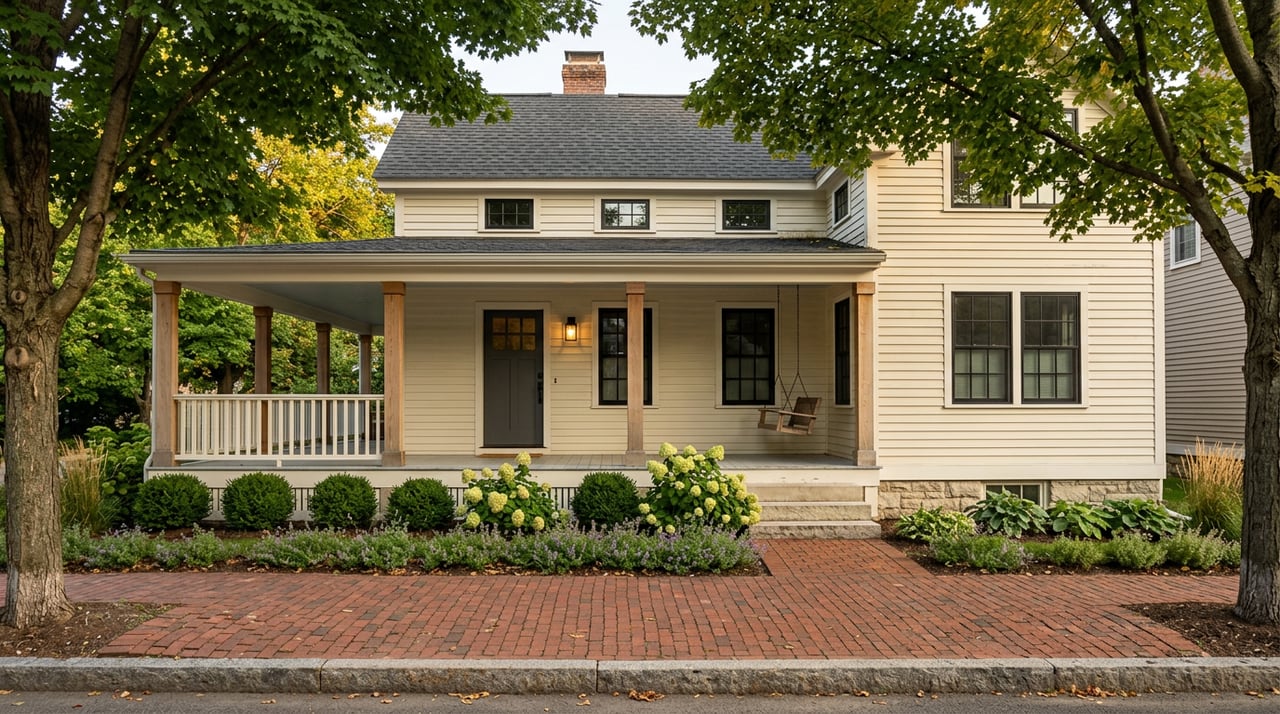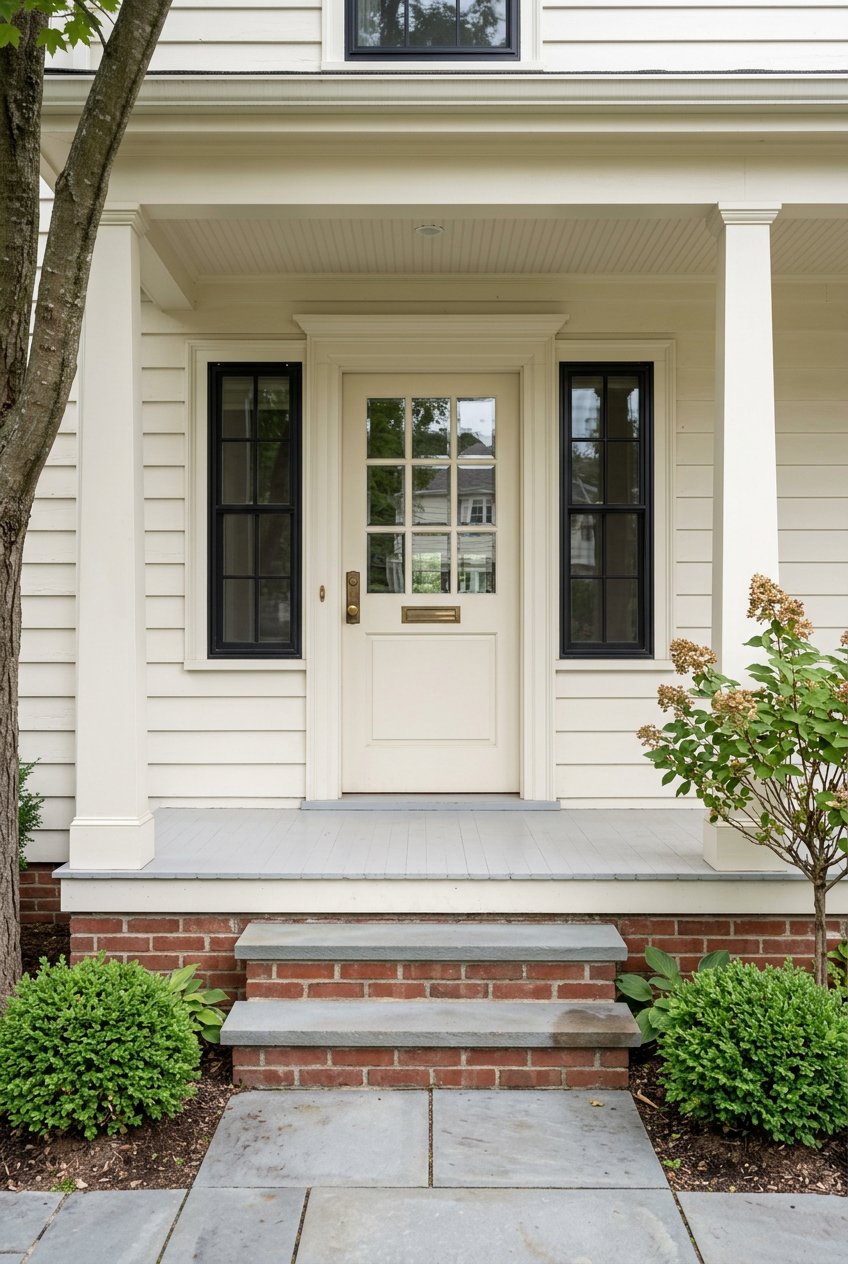
Love the charm of East Aurora’s front porches, wood trim, and Arts & Crafts details? Buying a historic home here is both rewarding and different from a typical suburban purchase. You want to honor the character you fell in love with while planning smart inspections, financing, and approvals. This guide gives you the local rules, common repair realities, and practical steps to help you buy with confidence in the Village of East Aurora. Let’s dive in.
Why East Aurora historic homes stand out
East Aurora’s residential streets reflect generations of craftsmanship. You will see original wood-sash windows, plaster-and-lath walls, built-ins, and bungalow or Arts & Crafts elements influenced by the village’s early 20th-century heritage. These features are part of the value, and they often respond best to repair rather than replacement.
The Village recognizes the importance of its historic fabric and has a dedicated Historic Preservation Commission (HPC). That civic focus helps protect neighborhood character and gives you a clear path for exterior changes when you become the next steward of a historic property. You can explore HPC contacts, meeting schedules, and forms on the Village’s Historic Preservation Commission page.
Know the rules before you write the offer
Check for local designation and review steps
If a home is a local landmark or sits within a local historic district, many exterior changes require a Certificate of Appropriateness (CA) from the HPC. Ordinary in-kind maintenance usually does not need a CA, but additions, demolition, new construction, and visible material changes typically do. Review the local ordinance so you know what triggers review and when to apply for CA. You can find the rules in the Village’s preservation ordinance on eCode360.
A CA is separate from a building permit. Even after you obtain a CA, you still need appropriate Village building permits and, in some cases, Planning or Zoning approvals. The HPC meets monthly, so if you plan visible exterior work, build that timing into your purchase and renovation schedule. The HPC page lists meeting information and how to submit.
Use the Village tax exemption for approved rehab
East Aurora offers a local historic property tax exemption that can shield the increase in assessed value attributable to approved rehabilitation from Village property taxes for a phased period. The benefit is 100 percent of the increase for years one through five, then declines through year nine. The exemption is tied to prior approval and program requirements under local law. Review the details and ask your attorney or tax professional how it might apply to your plans. See the local exemption rules.
State and federal credits at a glance
Most owner-occupants do not qualify for the federal 20 percent historic rehabilitation tax credit because it applies to income-producing properties. That said, New York State offers a Historic Homeownership Rehabilitation Credit for qualifying owner-occupied historic homes, with percentage limits, caps, and tract-based eligibility. Work usually must be reviewed and approved before and after rehab to qualify. Start early with questions and confirm your eligibility before you begin any improvements. Learn more about the New York State Historic Homeownership Rehabilitation Credit.
For income-producing properties, federal and state credits go through reviews with the State Historic Preservation Office and the National Park Service. Those programs require work that meets the Secretary of the Interior’s Standards.
Inspections that protect your budget
Historic houses rarely have a single “deal-breaker.” More often, you will see a punch list of age-related items that need staged repairs. Plan a thorough general inspection and budget for specialists where older systems are present.
Common issues to expect in older homes
- Electrical systems. Knob-and-tube wiring, small service panels, and ungrounded outlets are common in older homes. Many insurers and lenders require documentation or upgrades before they approve coverage or financing. Learn the typical insurer concerns from this overview of older-home insurance issues.
- Heating and fuel systems. Older oil furnaces, buried or above-ground oil tanks, or aging boilers often need inspection, replacement, or documented safety measures. Plan for HVAC updates over time.
- Foundations and moisture. Stone or brick foundations may show mortar deterioration, minor movement, or damp basements. A structural engineer can help if you see settlement, large cracks, or sloping floors.
- Roofs, chimneys, and porches. Flashing failures, chimney repointing, flue repairs, and porch rot are common maintenance items on historic houses.
- Historic materials and finishes. Original plaster, trim, built-ins, and wood windows have real character. Many can be repaired and weatherized instead of replaced, which helps preserve aesthetics and value.
- Lead paint. Homes built before 1978 often have lead-based paint. Renovations that disturb painted surfaces must follow EPA lead-safe rules. Review the EPA Renovation, Repair and Painting Program.
- Radon. Testing is recommended statewide. If results are 4 pCi/L or higher, mitigation is advised. See New York guidance on radon testing and next steps.
Who to hire and when
- Licensed home inspector. Start with a full inspection and allow time for follow-ups.
- Licensed electrician. Evaluate old wiring, service size, grounding, and load capacity. Insurers and lenders often require this.
- Structural engineer. Call in for foundation movement, significant settlement, or major past alterations.
- Chimney and masonry specialist. Inspect chimneys, flashing, flues, and historic brick or stone.
- Lead and asbestos testing. Use certified pros before you disturb painted surfaces or suspect materials.
- Radon measurement professional and mitigator. Use state-certified providers for testing and mitigation.
- Historic preservation architect or consultant. Helpful for large projects, design-sensitive changes, tax credits, or when CA drawings are needed.
Tip: Get multiple local quotes and insist on itemized bids. Whole-house rewiring, roof replacements, and chimney work can vary widely in cost based on access and scope.
Financing and insurance realities
Renovation loans that bundle repairs
If you plan significant improvements soon after closing, talk with lenders about mortgages that combine purchase and renovation funds in one loan:
- FHA 203(k) Rehabilitation Mortgage. Combines purchase or refinance with renovation, with Standard and Limited options and escrowed draws. Review program basics on HUD’s 203(k) page.
- Fannie Mae HomeStyle Renovation. A conventional option that allows a wide range of permanent improvements and has defined appraisal and contractor documentation. See Fannie Mae’s HomeStyle overview.
Both products have extra steps that affect timing, including contractor bids, appraisals that include as-completed value, and draw schedules. If you expect to use one, start the conversation early.
Insurance for older systems
Insurers often flag active knob-and-tube wiring, unprotected oil tanks, dilapidated roofs, and other legacy systems. You may face higher premiums or a requirement to upgrade within a set period. Ask an agent for a preliminary quote or underwriting review during your contingency window. For a primer on what carriers watch for, read this guide to insuring older homes.
Plan sensitive upgrades that last
For best results and for potential tax-credit compatibility, use the Secretary of the Interior’s Standards as your north star. Preserve character-defining features and choose upgrades that are reversible when possible. Explore the Secretary’s Standards overview.
- Windows. Consider repair and weatherization of original wood sash before replacement. Storm windows, weatherstripping, and sash repair can improve comfort while preserving proportions and historic glass.
- Energy and mechanicals. Prioritize sealed ducts, high-efficiency HVAC, and attic insulation. These upgrades typically deliver comfort and lower bills without changing the exterior.
- Exterior elements. Maintain original porch columns, railings, and trim whenever feasible. If replacement is necessary, select materials and profiles compatible with the original design, and document your conditions for CA.
Local resources for East Aurora buyers
- Village of East Aurora HPC. Applications, meeting dates, and contacts for CA and permits. Start here for any visible exterior work. Visit the HPC resource page.
- Local ordinance and incentives. Rules for Certificates of Appropriateness and the historic rehab property tax exemption are on eCode360. Review the preservation ordinance and local tax exemption.
- New York State homeowner credit. Review eligibility and steps for the NYS Historic Homeownership Rehabilitation Credit.
- Renovation financing. Learn how FHA 203(k) and HomeStyle Renovation can bundle repairs.
- Health and safety. Read about radon testing and mitigation steps and plan EPA lead-safe work with the RRP program.
Step-by-step buying game plan
- Before you offer
- Confirm whether the property is locally designated. Ask the seller for documentation of any prior CA approvals and building permits.
- Request a list of recent contractor work and warranties. This helps your inspectors focus on what is new versus original.
- During your inspection window
- Schedule a full home inspection, then add specialists as needed: electrician, structural engineer, chimney pro, lead/asbestos testing, and radon measurement.
- Start conversations with your insurance agent and lender. If repairs are needed, confirm whether FHA 203(k) or Fannie Mae HomeStyle fits.
- Planning exterior changes
- If you anticipate visible work, build time for the CA process and Village permits. Review the HPC meeting calendar and submission checklists.
- Use the Secretary’s Standards to guide design decisions that preserve character and align with potential incentives.
- Explore incentives early
- Review the Village’s local historic rehabilitation tax exemption and consider the NYS homeowner rehabilitation credit if you might qualify. Confirm eligibility and get guidance before you start any work.
Buying a historic home in East Aurora is about stewardship and smart planning. With the right inspections, financing, and approvals, you can protect your investment and enjoy the craftsmanship that makes these homes special. If you want a local, high-touch advocate to help you navigate each step, connect with Karen Baker to schedule a free consultation.
FAQs
What is a Certificate of Appropriateness in East Aurora?
- It is an approval from the Village’s Historic Preservation Commission for many exterior changes to locally designated properties, separate from a building permit, and it should be factored into your project timeline.
Do I qualify for a tax break when I rehab a historic home?
- East Aurora offers a local exemption that phases in taxes on the increase in assessed value from approved rehab, and New York State has a homeowner credit with eligibility rules; confirm details before you begin work.
Can I use a mortgage that includes renovation costs?
- Yes. FHA 203(k) and Fannie Mae HomeStyle can bundle repairs into your loan, but both require specific contractor bids, appraisals, and draw schedules that can affect timing.
Will insurers cover a home with knob-and-tube wiring?
- Some will, but many require inspection or upgrades and may charge higher premiums; get a quote or underwriting review early in your contingency period.
Are window replacements required in historic homes?
- Not necessarily. Many original wood windows can be repaired and weatherized to improve comfort while preserving historic character, which often aligns with local review standards.