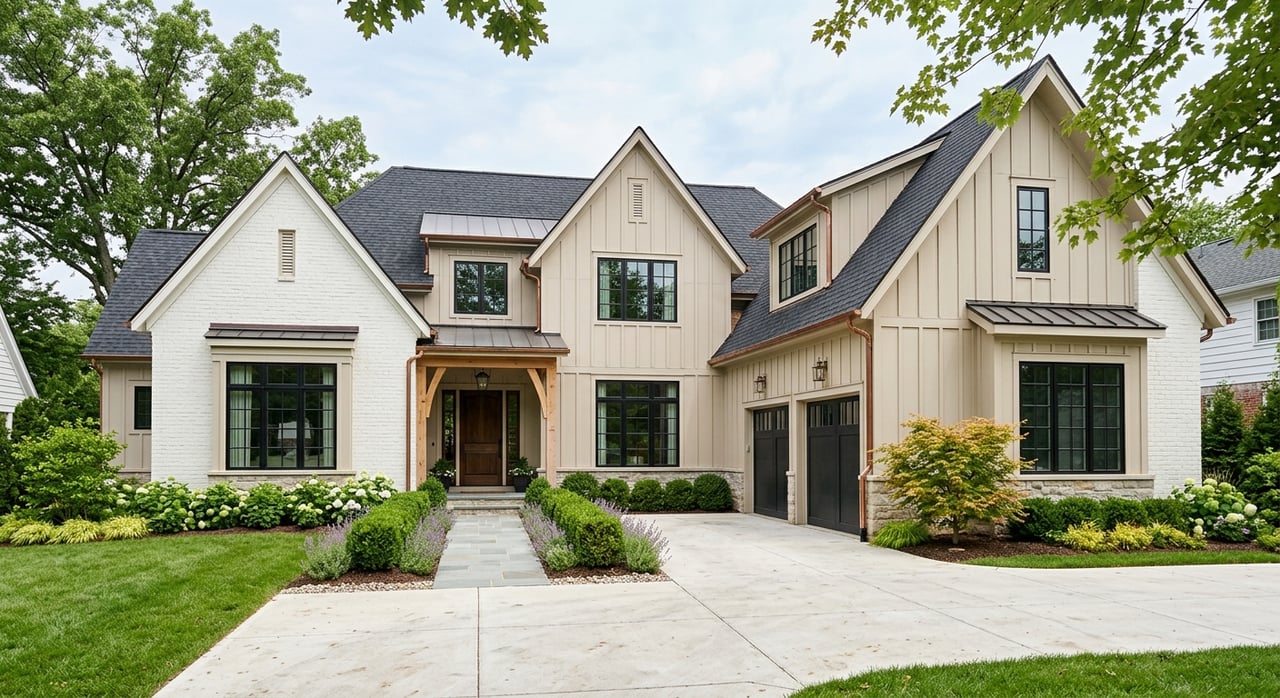
Thinking about buying a brand-new home in East Amherst? It is easy to focus on floor plans, finishes, and that exciting fresh-start feeling, but new construction comes with extra steps that can affect your budget, timeline, and closing plans. If you know what to ask before you sign, you can make smarter decisions and avoid common surprises. Let’s dive in.
Why East Amherst new construction needs planning
East Amherst has active new-construction opportunities from several local builders, including Forbes Capretto’s East Amherst homesites and Ashley Green offerings, Natale Builders’ Miller’s Crossing, and Marrano’s Julie’s Orchard community mentioned in the local builder landscape. That gives you options, but it also means each community may have different timelines, lot conditions, and contract terms.
One important local detail is that builder pages may group East Amherst with nearby Amherst or Clarence labels. Before you commit to a homesite, verify the exact tax municipality, lot location, and school district tied to that property. That step can help you avoid confusion later in the process.
Start with the lot, not just the model
A beautiful model home can make the process feel simple, but the lot itself plays a big role in cost and timing. In Amherst, residential permit applications require working plans, plot plans, specifications, energy-code calculations, a geotechnical analysis with a soil-bearing test, and curb-cut approval before work begins.
According to the Town of Amherst Building Department, plans must be filed, approved, and permits issued before any construction starts, including excavation. That means your timeline may depend not only on builder capacity, but also on whether the lot and paperwork are truly ready to move forward.
Questions to ask about lot readiness
Before signing, ask clear questions such as:
- Is the homesite fully build-ready?
- Will you pay extra for survey work or soil testing?
- Are utility extensions needed?
- Is curb-cut work already accounted for?
- Are there any site-evaluation steps still pending?
These questions matter because site feasibility is not just a technical issue. It can directly affect both your out-of-pocket costs and your expected move-in date.
Understand Amherst permit and occupancy costs
When you budget for new construction in East Amherst, do not stop at the base price and upgrades. Amherst publishes a fee schedule that can help you understand the types of municipal costs that may apply during the build process.
Under the 2025 Amherst building fee schedule, single-dwelling permit fees are listed as:
- $950 for homes up to 1,000 square feet
- $1,150 for homes from 1,000 to 3,000 square feet
- $1,500 for homes from 3,000 to 5,000 square feet
- $2,000 for homes above 5,000 square feet
The same schedule notes that the filing fee is half the permit fee and is non-refundable, though it is credited toward the final permit. It also lists a residential certificate of occupancy at $250, a temporary certificate of occupancy at $250 at the Commissioner’s discretion, original electrical installation fees of $235 or $335 depending on size, heating equipment or new AC at $100 each, and extra inspections at $100 each beyond the included allowance.
Fees buyers should clarify in writing
Ask your builder exactly which of these costs are included in your contract price and which are not. Specifically, ask about:
- Building permit fees
- Filing fees
- Electrical fees
- HVAC or AC fees
- CO or TCO fees
- Extra inspection fees
- Lot premiums
- Site-work charges
That conversation is especially important because Amherst also lists a penalty fee of at least $200 or twice the permit fee, whichever is greater. While buyers are not usually managing permit filings directly, you still want to understand how contract language handles added costs if issues arise.
Plan for selection deadlines early
Many buyers picture new construction as a flexible process where they can fine-tune details at any stage. In reality, your design selections often have deadlines, and missing them can create delays or extra costs.
Forbes Capretto explains its process through a design studio and staged selection system, with cabinet decisions first and then two design-center appointments. Its FAQ also states that changes after the pre-construction meeting can trigger a late change-order fee, and it does not make changes once a home is already under construction.
That structure is a good reminder to make decisions quickly and carefully. Waiting too long on cabinets, finishes, fixtures, or layout items can slow the permit process or push back construction milestones.
Ask these design-process questions
Before you sign, ask:
- Which selections must be made before permit submission?
- Which choices must be finalized before pre-construction?
- What changes are allowed later?
- What fees apply if you change your mind?
- How could changes affect the build timeline?
If you like to compare options slowly, new construction may feel more deadline-driven than resale. Knowing that upfront can help you stay organized and reduce stress.
Build timeline expectations in East Amherst
A realistic timeline matters, especially if you need to coordinate a lease ending, a home sale, or a relocation move. New construction schedules can look straightforward at the beginning, but weather, permits, subcontractor timing, and buyer selections can all shift the calendar.
Forbes Capretto says in its FAQ that it expects about 9 to 11 months from purchase agreement to completion. Marrano describes its process in stages, including design, pre-construction, construction, and orientation, which also shows that the path to closing includes more than just the building phase.
The Town of Amherst adds another timing layer. Its permit information says a permit can expire if construction does not begin within six months or is not completed within two years, unless the Commissioner of Building grants an extension. You can review those local requirements through Amherst’s permit materials.
Why contract timing matters
Your builder contract should explain how delays are handled if permit review, weather, or subcontractor scheduling changes the completion date. Ask how extensions, deadline changes, and closing-date adjustments are addressed in writing.
This is not about expecting problems. It is about understanding how the process works if the timeline changes, so you can plan your move with more confidence.
Financing may work differently than you expect
Many buyers assume a construction loan is always required for a new build. In some East Amherst-area communities, that may not be the case.
Forbes Capretto says in its FAQ that a typical end-loan mortgage can be used and that it does not offer in-house financing. The research also notes that Marrano’s financing materials say buyers can build without a construction loan and make no payments until closing.
That makes financing an important early conversation. You should confirm what type of loan is expected, when deposits are due, and how the payment structure works from contract to closing.
Patio homes and condo-status details
If you are considering a lower-maintenance lifestyle, East Amherst also offers patio-home options. That can be appealing, but you will want to understand the ownership structure and ongoing monthly costs before you commit.
Natale Builders notes that Miller’s Crossing includes patio homes with condo tax status. The research also notes that HOA communities may include maintenance services, which can affect your monthly budget and how you compare one property to another.
Ask about monthly and tax implications
For patio homes or condo-status products, ask:
- What is the monthly HOA fee?
- What exterior maintenance is included?
- Is lawn care included?
- Is snow removal included?
- How does condo tax status affect ownership costs?
These details can make a major difference in your long-term budget, even if the purchase price looks competitive at first glance.
Warranty coverage matters after closing
Your planning should continue beyond move-in day. A strong warranty and a clear customer-care process can make ownership feel much smoother during your first year.
Forbes Capretto says its homes include a one-year top-to-bottom warranty, a two-year mechanical warranty, and a six-year structural warranty. Marrano also notes that its Customer Care and Warranty Service team supports homeowners after move-in.
Before you buy, ask for warranty details in writing and confirm how service requests are handled. It is much easier to compare builders when you understand what support is offered after closing.
A smart East Amherst buyer checklist
If you are comparing new construction in East Amherst, focus on these five planning areas first:
- Lot feasibility: Confirm the lot is build-ready and ask about soils, surveys, utilities, and curb cuts.
- Selection deadlines: Know what must be finalized early and what change-order rules apply.
- Permit-related costs: Review what municipal fees may apply and which ones are included in the contract.
- Timeline terms: Ask how delays, extensions, and closing-date changes are handled.
- Post-close support: Compare warranty coverage and customer-care procedures.
A new home can be a great fit if you want modern layouts, new systems, and the chance to personalize your space. The key is going in with a full picture of the process, not just the base price or brochure.
If you are exploring new construction in East Amherst and want help comparing communities, contract terms, and timing, Karen Baker can help you make sense of the details and move forward with confidence.
FAQs
What should buyers budget for beyond the base price of a new construction home in East Amherst?
- Buyers should ask about permit fees, filing fees, electrical and HVAC fees, certificate of occupancy costs, inspection fees, lot premiums, and site-work charges, since these may not all be included in the advertised base price.
What permit steps apply to new construction homes in Amherst, NY?
- Amherst requires plans, specifications, energy-code calculations, a geotechnical analysis with soil-bearing test, and curb-cut approval, and the town says permits must be approved before any work begins.
How long does new construction in East Amherst usually take?
- Builder timelines vary, but Forbes Capretto says it expects about 9 to 11 months from purchase agreement to completion, and timing can also be affected by permits, weather, selections, and subcontractor schedules.
What should buyers ask about East Amherst new construction design selections?
- Buyers should ask which selections must be finalized before permit submission or pre-construction, what change-order fees apply, and whether any changes are allowed once construction has started.
What should buyers know about patio homes in East Amherst?
- Buyers should confirm whether the property has condo tax status, what the HOA fee covers, and whether services like lawn care or snow removal are included.
What warranty coverage should buyers ask about for a new construction home in East Amherst?
- Buyers should request written warranty details and ask how post-close service works, including what is covered structurally, mechanically, and during the first year of ownership.