If appraisal day feels like a big unknown, you are not alone. Many Williamsville sellers wonder whether they should deep-clean, make repairs, or gather paperwork before the appraiser arrives. The good news is that the right prep can help your home show clear evidence of condition, upkeep, and improvements. Here is how to get your Williamsville home ready with less stress and a smarter plan. Let’s dive in.
What an appraisal really measures
A home appraisal is an independent written opinion of value that lenders may require for a purchase or refinance loan. It is different from a home inspection, which focuses on physical problems and repair issues. According to the Consumer Financial Protection Bureau’s appraisal overview, the appraisal helps the lender understand the property’s value as loan collateral.
For you as a seller, that means the appraiser is not judging your decorating style. Instead, they are looking at factors like location, size, room count, finished area, condition, and recent comparable sales. In most cases, nearby recent sales matter much more than broad market headlines.
Why Williamsville prep matters
Williamsville has a distinct local setting that can shape how your home is viewed on appraisal day. The Village of Williamsville highlights its historic preservation efforts along with beautification, park, and pedestrian projects, which means exterior presentation and documented updates can stand out in this market.
Buyer demand in the broader area is also influenced by the Williamsville location itself, including the reach of the Williamsville Central School District, which serves a large area across multiple municipalities. Appraisers still focus on comparable sales first, but local demand patterns can influence which homes are most relevant as comps.
That is one reason it helps to think locally. A clean, well-maintained home in Williamsville should be presented as a strong match for the homes buyers are comparing it to right now.
Focus on condition over cosmetics
One of the biggest appraisal myths is that you need expensive upgrades right before the visit. In reality, visible condition and functional upkeep usually matter more than trendy finishes. Fannie Mae’s property condition guidance requires appraisers to note visible adverse conditions, deferred maintenance, and needed repairs.
That means your goal is not perfection. Your goal is to show that the home has been cared for and that any remaining issues are minor, manageable, and not tied to safety, soundness, or structural integrity.
A fresh coat of paint can help if peeling paint is obvious. Replacing a dripping faucet or securing a loose railing can also make sense. On the other hand, a luxury backsplash or brand-new designer light fixture is less likely to move the needle than basic maintenance and solid documentation.
Start with curb appeal
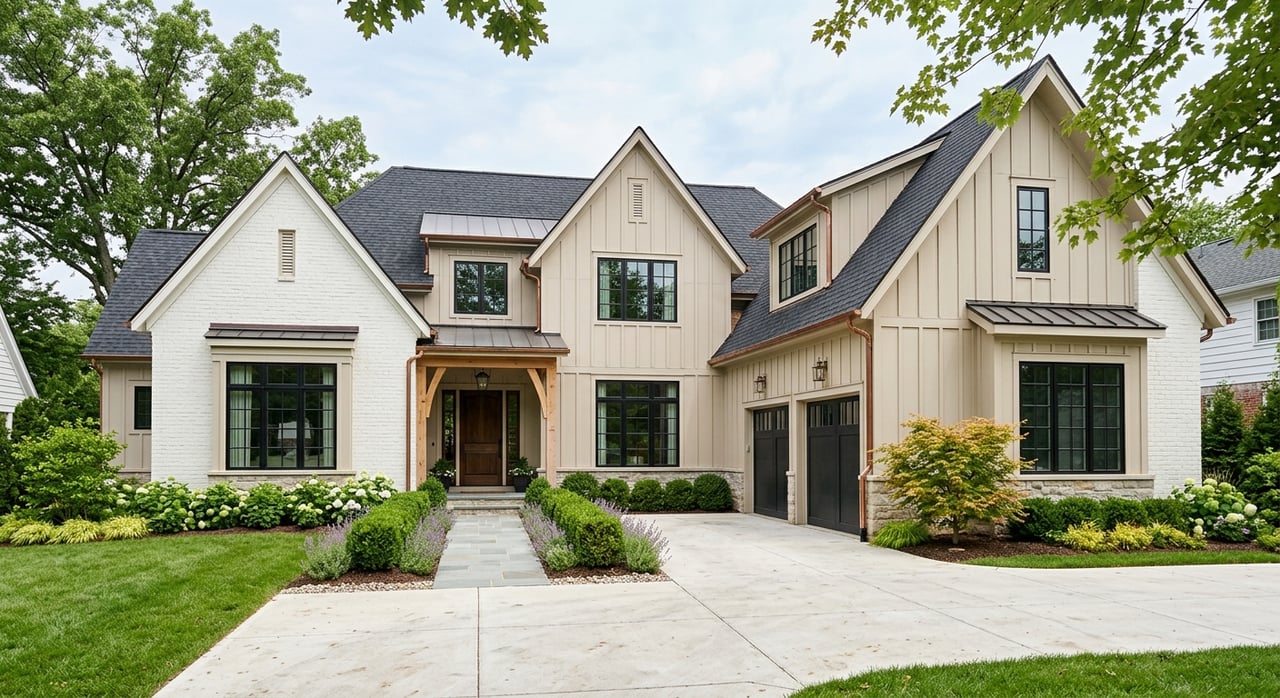
Your exterior sets the tone before the appraiser even walks inside. Because appraisers note visible wear and overall site features, the outside of your home should look accessible, tidy, and well maintained.
Before appraisal day, make time to:
- Clean walkways and the front entry
- Trim shrubs and edge the lawn if in season
- Clear leaves, branches, or other seasonal debris
- Make sure your house number is easy to see
- Fix obvious exterior issues like loose gutters, damaged railings, broken screens, or peeling paint
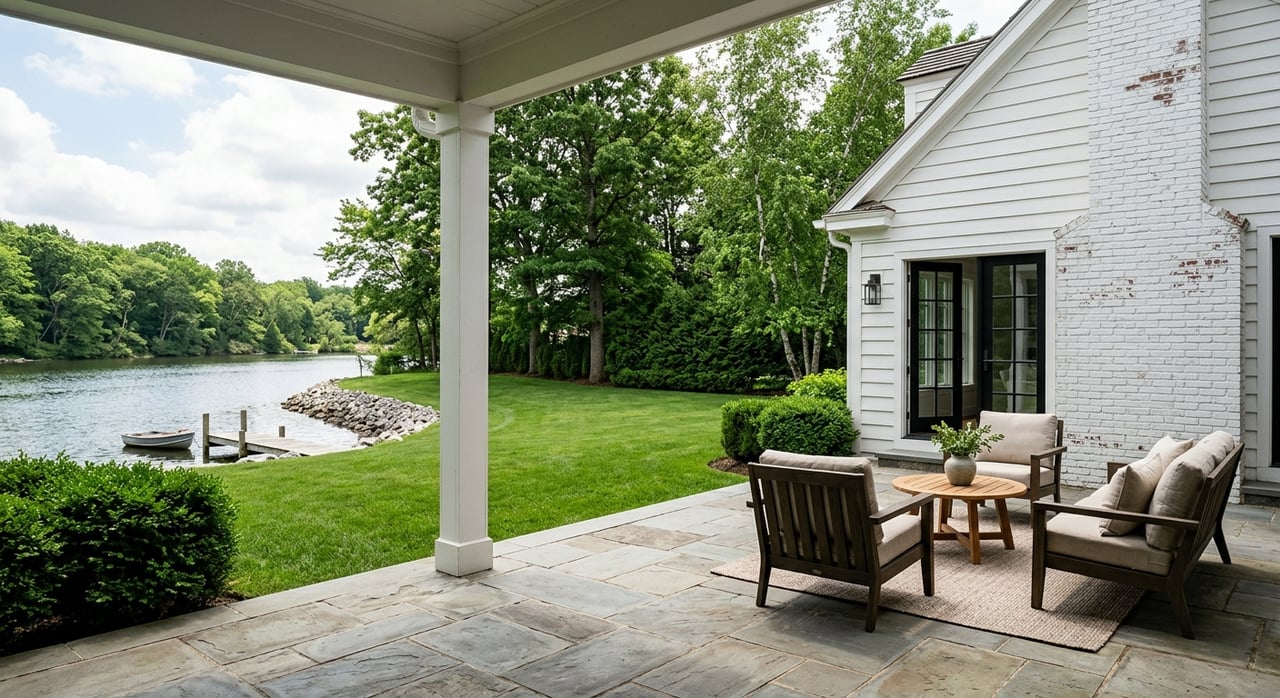
If your property includes a garage, deck, patio, shed, pool, or another outbuilding, make those spaces easy to access and presentable as well. Fannie Mae’s comparable sales guidance notes that site features and outbuildings can be part of a property’s overall residential appeal.
Make interior access easy
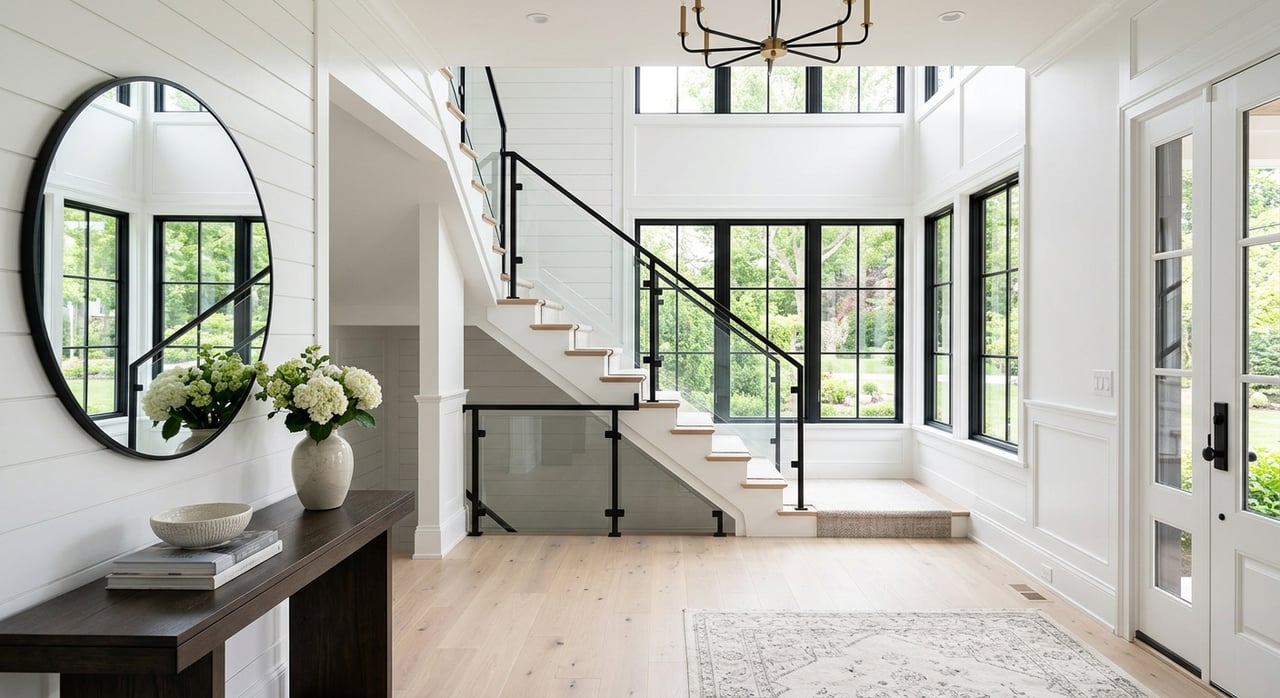
Inside the home, think practical rather than perfect. The appraiser needs to move through the property efficiently and see the spaces clearly. Decluttering helps, but this is not about full-scale staging.
Focus on access first. Make sure the appraiser can easily reach the basement, attic, garage, utility areas, and any bonus spaces. Replace burned-out light bulbs so rooms and mechanical areas are visible.
It also helps to take care of small but noticeable items such as:
- Dripping faucets
- Missing handrails
- Cracked glass where practical to address
- Doors that do not open properly
- Minor safety-related issues you can resolve quickly
These details may seem small, but appraisers are expected to report visible deferred maintenance in accessible areas. A clean, functional home reads very differently than one with a long list of obvious unfinished tasks.
Gather a simple improvement packet
One of the smartest things you can do before appraisal day is organize your home improvement records. This is especially helpful in Williamsville, where older homes and character properties may have a long history of updates, repairs, and additions.
Create a concise packet that includes:
- A list of improvements with approximate dates
- Permits, if applicable
- Contractor invoices or receipts
- Warranty information
- Product details for major upgrades like roofing, windows, HVAC, kitchens, baths, or additions
Keep it brief and easy to scan. You are not trying to overwhelm the appraiser. You are helping verify what was done and when.
This can be particularly important if your home has an addition or substantial renovation. Fannie Mae’s improvements section guidance makes clear that unpermitted additions can affect the appraisal analysis, and the appraiser may need to comment on the quality, appearance, and market impact of that work.
Be honest about known issues
Trying to hide a defect rarely helps. Appraisers are expected to report adverse conditions they observe during the inspection or identify through normal research. If there is a known issue, it is better to be prepared with context than to hope it goes unnoticed.
For example, if you know a section of fencing needs repair, a window seal has failed, or a past project is missing paperwork, be ready to explain what you know. If repairs have already been scheduled, supporting documentation may also be useful.
This does not mean every issue will derail the appraisal. It means transparency and documentation can make the process smoother and reduce confusion.
Understand what comps drive value
Comparable sales are a major part of the valuation process. Fannie Mae expects appraisers to use sales with similar physical and legal characteristics, from the same market area when possible, and generally at least three closed sales from the last 12 months, as outlined in its comparable sales requirements.
That is why broad market summaries only tell part of the story. Even though recent trackers have described Williamsville as active, with differing median prices and days on market depending on the source and geography, your appraisal is more likely to turn on the most relevant nearby sales than a headline average.
For sellers, the takeaway is simple: your home should be presented as a strong, well-maintained competitor within its immediate market area. Condition, usable space, and documented improvements often help the appraiser understand where your property fits relative to those nearby sales.
Older Williamsville homes can still appraise well
If you own an older home in Williamsville, age alone is not the problem. Fannie Mae notes that older dwellings are acceptable if their quality and condition fit what typical buyers in the area expect. What matters is whether the home is marketable and maintained relative to nearby comparables.
This is encouraging for sellers of homes with original character or historic charm. In many cases, preserved details and thoughtful updates can support marketability, especially when improvements are documented and the home shows well.
If you have completed renovations, be ready to distinguish between true remodeling and simple cosmetic updates. Appraisers may view those differently, so clear records can help tell the full story.
Double-check public records if needed
If you are unsure about parcel details, tax-map information, deed history, or recorded documents, Erie County offers public tools through Real Property Tax Services. Having the right information ahead of time can be useful if questions come up about square footage, lot details, or prior filings.
This step is not necessary for every seller, but it can be worth doing if your property has had additions, lot changes, or older recorded documents that may affect the appraisal discussion.
A practical appraisal-day checklist
If you want a simple plan, start here the week before the appointment:
- Tidy the exterior and clear all entry points
- Complete small visible repairs that affect function or safety
- Declutter key rooms and open access to all major areas
- Replace burned-out bulbs and improve visibility
- Organize your improvement packet
- Gather any permits, invoices, and warranties
- Be ready to answer basic questions clearly and honestly
You do not need to create a show-home. You need to present a home that feels cared for, accessible, and well documented.
Final thoughts for Williamsville sellers
Appraisal day is really about reducing uncertainty. When your home is easy to inspect, visibly maintained, and backed by organized records, you give the appraiser a clearer picture of its condition and value in the Williamsville market.
If you are getting ready to sell and want a smart prep plan before the appraisal and every step that follows, working with a local expert can make the process much easier. Karen Baker offers thoughtful, hands-on guidance to help you prepare your home, position it well, and move forward with confidence.
FAQs
What is a home appraisal for a Williamsville seller?
- A home appraisal is an independent written opinion of value that lenders often require for a purchase or refinance loan, and it is used to help the lender assess the property as collateral.
What do appraisers look at in a Williamsville home?
- Appraisers typically consider recent comparable sales, condition, location, size, room count, finished area, style, and any functional or legal differences that could affect value.
Should you make repairs before a Williamsville appraisal?
- In many cases, the best pre-appraisal spending goes toward visible maintenance, safety items, and functional repairs rather than high-end cosmetic upgrades.
Do older homes in Williamsville appraise for less just because of age?
- No, older homes can appraise well if their condition, quality, and marketability are appropriate for typical buyers and comparable to nearby homes.
What documents should you prepare for a Williamsville appraisal?
- A helpful appraisal packet can include a list of upgrades, approximate dates, permits, invoices, warranties, and contractor details for major work.
What happens if a Williamsville home has an unpermitted addition?
- The appraiser may flag the addition, comment on its quality and appearance, and analyze whether it affects market value or the overall appraisal conclusion.