If you picture life on Grand Island as one thing, you may miss what makes it so appealing. Here, waterfront living can mean direct river frontage, a home near marinas and launch sites, or an inland property that still keeps you close to trails, parks, and year-round water recreation. If you are trying to decide which version fits your lifestyle best, this guide will help you compare the options and understand the practical tradeoffs. Let’s dive in.
Why Grand Island Feels Water-Oriented
Grand Island sits in the Niagara River between Buffalo and Niagara Falls, and the water shapes daily life across the island. The town highlights its trees, parks, trails, kayak launches, marinas, and residential neighborhoods as part of what makes the area distinct, not just for a few waterfront streets but for the island as a whole. You can learn more from the Town of Grand Island overview.
That water focus also shows up in planning. The town’s Local Waterfront Revitalization Program covers natural, public, and developed waterfront resources and identifies 23 projects tied to access, connectivity, stormwater drainage, and habitat protection. For buyers, that reinforces an important point: waterfront and near-water living on Grand Island is part of a broader community pattern.
Waterfront Home Types on Grand Island
True Waterfront Homes
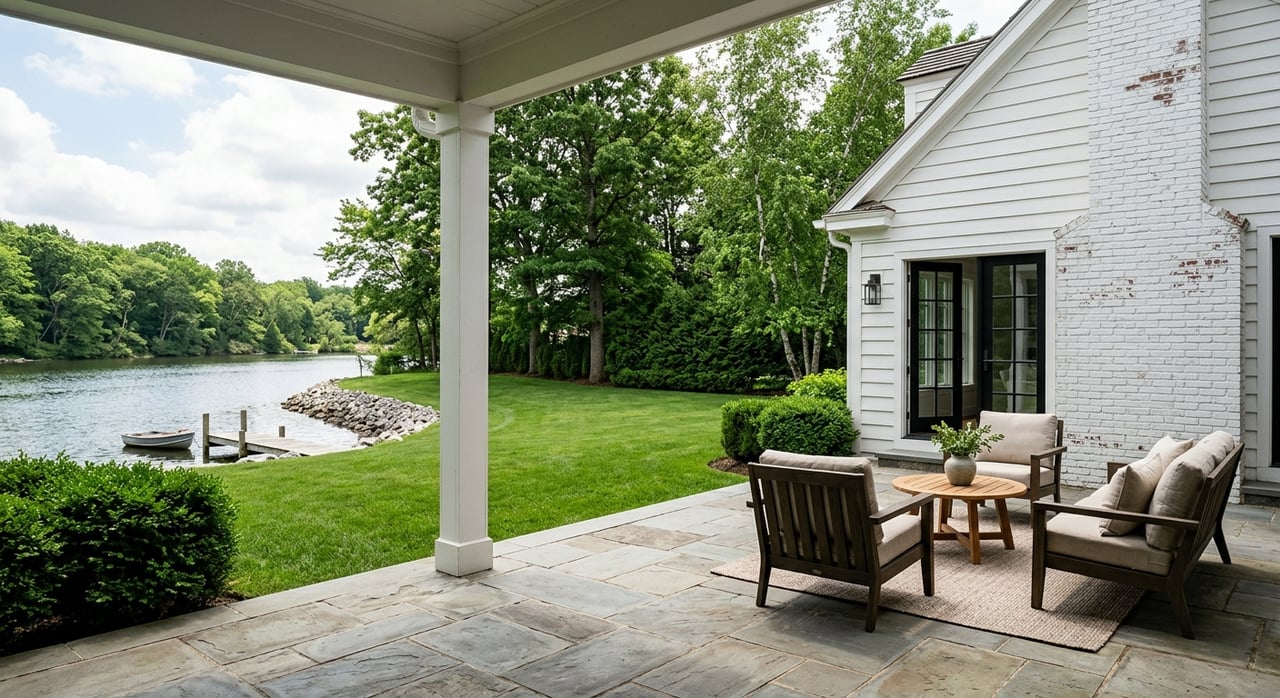
A true waterfront home typically has direct frontage on the Niagara River or one of the island’s tributaries. That can offer immediate water views, direct shoreline access, and in some cases the possibility of docks or other waterfront features, depending on regulations and the property itself.
This type of property also comes with the most planning and maintenance questions. The town’s flood hazard information notes that updated FEMA mapping is part of local floodplain regulations, and development in a special flood hazard area requires a valid floodplain development permit. If you are considering true waterfront, it is smart to review floodplain status, shoreline conditions, and improvement rules early.
Near-Water and Water-Access Homes
Many buyers do not need to own the shoreline to enjoy a water-focused lifestyle. On Grand Island, near-water living can mean convenient access to marinas, public launches, beaches, and trails while avoiding some of the responsibilities that come with direct frontage.
A good example is Beaver Island State Park, which offers a half-mile sandy beach, an 80-slip marina with seasonal and transient slips, a car-top boat launch, and multiple canoe and kayak launches. For someone who wants regular time on the water without owning the shore, that kind of access can be a major advantage.
Inland Homes With a Water Lifestyle
Grand Island also has residential areas away from the immediate shoreline that still feel connected to the water. Because the island includes parks, trails, launches, and marinas across the community, you can still build a water-oriented routine without living directly beside the river.
For many buyers, that means a practical tradeoff. You may give up immediate frontage, but you may also reduce shoreline exposure and the upkeep that often comes with docks, erosion concerns, and floodplain review. That balance is part of what makes Grand Island appealing to a wide range of buyers.
What the Shoreline Is Used For
Grand Island’s shoreline is largely shaped by residential and recreational use rather than industrial activity. The town’s waterfront planning documents state that shoreline properties include residential uses, marinas, boat storage facilities, and hotel lodging, and they also note that Grand Island has no commercial port facilities.
That matters when you think about lifestyle. In many places, a waterfront area can feel dominated by industry or heavy commercial traffic. On Grand Island, the shoreline mix is more closely tied to boating, recreation, and residential use, which helps define the feel of many water-adjacent areas.
Recreation That Supports Near-Water Living
Parks, Beaches, and Marinas
One of the biggest advantages of living on Grand Island is that public water access is meaningful, not limited. Beaver Island State Park is a strong example, with a beach, marina, fishing, boating access, and seasonal services that support summer use while still remaining open year-round for day use.
Another key resource is Big Six Mile Creek Marina, located in a protected inlet off the upper Niagara River. According to the same state park source, it offers a boat launch, 125 seasonal slips, fuel, ice, and pump-out service. That gives near-water buyers another route to a boating lifestyle without needing private frontage.
Trails Along the River
If your version of near-water living includes walking, biking, or simply spending time near the shoreline, Grand Island offers strong options. The West River Shoreline Trail runs 8 miles along the Niagara River from Beaver Island State Park to Buckhorn State Park, giving you broad public access to waterfront scenery and recreation.
The town also notes that its trail systems are maintained year-round and that the island includes wetlands, forests, waterfront trails, two state parks, nearly 2,000 acres of permanently protected land, and kayak launch facilities on the Niagara River. You can explore more through the town’s state park trails information.
Paddling Around the Island
Grand Island has a feature that stands out even within the Niagara River corridor. The town’s waterfront plan says the island has the only dedicated paddlesports trail on the Niagara River, the Paddles Up Niagara Bluewater Trail, which follows the island’s perimeter and includes launch points such as Woods Creek and the Eagle Outlook in Buckhorn Island State Park.
If kayaking or paddling is part of how you want to enjoy the area, that is a meaningful lifestyle benefit. It also reinforces the idea that near-water living here can be active and immersive, even without direct river frontage.
Year-Round Lifestyle on Grand Island
Water access on Grand Island is not just a summer story, but it does shift with the seasons. The town’s recreation page says the island supports activities such as boating, water skiing, and ice fishing, along with walking, biking, and nature trails. You can review the town’s recreation resources at the Grand Island recreation page.
Seasonality still matters. Beaver Island’s marina and some nature-center services are seasonal, while the park remains open year-round for day use. The town also notes that Beaver Island’s river trail is best used from May through September, while Buckhorn Island’s main trail is best used from December through February, which shows how the island’s outdoor rhythm changes across the year.
Practical Considerations for Waterfront Buyers
Floodplain and Insurance Review
If you are looking at true waterfront property, floodplain review should be one of your first steps. The town states that work in a special flood hazard area requires a floodplain development permit, and FEMA notes that homes in high-risk flood areas with government-backed mortgages require flood insurance. You can review federal guidance through FEMA flood insurance information.
Even if a property is not in the highest-risk category, it is worth reviewing maps, permit history, and insurance implications carefully. That kind of due diligence can help you understand both monthly costs and future project limitations before you buy.
Docks, Boathouses, and Exterior Work
A common buyer question is whether a waterfront property can support a dock or similar improvement. On Grand Island, waterfront improvements are regulated. The town’s planning materials say zoning controls boathouses and docking facilities, and the town’s building guidance explains that projects such as dock decks, pools, and related exterior work may require permits. Start with the town’s building permit guidance.
This does not mean waterfront improvements are impossible. It means you should evaluate them with the property, not after the fact. If a dock, shoreline structure, or exterior project is important to you, confirm the permitting path and site conditions early.
Shoreline Upkeep and Drainage
Waterfront ownership can be rewarding, but it also involves a different maintenance mindset. The town’s waterfront plan highlights stormwater-drainage improvements and notes that shoreline setbacks may be needed to help minimize erosion. The Conservation Advisory Board also points residents with water-adjacent property to riparian-zone resources, which reinforces the role of vegetation and shoreline buffers.
For some buyers, that level of stewardship is part of the appeal. For others, a near-water home with public access nearby may feel like a better fit because it offers lifestyle benefits with fewer shoreline responsibilities.
Marina Access and Seasonal Demand
If you are relying on a marina rather than private docking, convenience can depend on timing and demand. The research report notes that Big Six Mile Creek Marina fills seasonal slip vacancies by lottery each year, which is a useful reminder that access is not always guaranteed just because you live nearby.
That does not reduce the appeal of near-water living, but it does mean your boating plans may need some advance coordination. Buyers who want a highly flexible boating setup should weigh private frontage against marina-based access.
How to Choose the Right Fit
The best version of Grand Island living depends on how you want to use the water. If you want direct views, private frontage, and the possibility of property-specific waterfront improvements, true waterfront may be worth the extra diligence and upkeep.
If you want boating, paddling, beaches, and trails without taking on shoreline maintenance, a near-water or water-access home may offer a more flexible lifestyle. And if you simply want to live on an island where water is part of everyday recreation and scenery, an inland neighborhood can still deliver that experience in a different way.
If you are weighing these options and want a clear, local perspective on how different properties fit your goals, Karen Baker can help you compare the lifestyle, access, and practical details that matter most.
FAQs
What does true waterfront living on Grand Island mean?
- It generally means a home with direct frontage on the Niagara River or one of the island’s tributaries, which may bring added considerations such as floodplain review, shoreline setbacks, and dock or boathouse regulations.
Can you enjoy near-water living on Grand Island without owning the shoreline?
- Yes. Grand Island offers public access through parks, launches, marinas, beaches, and trails, including Beaver Island State Park and the West River Shoreline Trail.
Are Grand Island waterfront activities available year-round?
- Yes, but they change by season. Boating, beach use, and some marina services are more seasonal, while trails, park access, and some winter activities continue through the rest of the year.
Do waterfront homes on Grand Island require special permits?
- They can. The town states that certain exterior projects, including some dock-related work, may require permits, and development in a special flood hazard area requires a floodplain development permit.
Should buyers review flood insurance for Grand Island waterfront property?
- Yes. FEMA says high-risk flood areas with government-backed mortgages require flood insurance, and buyers should review flood maps and insurance implications carefully even outside the highest-risk zones.
Is Grand Island’s shoreline mostly residential or industrial?
- The town’s waterfront planning documents describe the shoreline as largely residential and recreational, with uses that include homes, marinas, boat storage facilities, and lodging, and no commercial port facilities.