Shopping for a higher-priced home in Elma and wondering how jumbo financing really works? You’re not alone. When your loan amount sits above the conforming limit, lenders ask for stronger credit, more documentation, and a bit more patience. This guide explains what a jumbo loan is, how to check the Erie County threshold, what lenders expect, and how to prepare your file so you close with confidence. Let’s dive in.
What is a jumbo loan
A jumbo loan is a mortgage that exceeds the conforming loan limit set each year by the Federal Housing Finance Agency. Conforming loans can be bought by Fannie Mae or Freddie Mac; jumbo loans cannot, so lenders underwrite and price them differently.
To see whether your target price falls into jumbo territory, use the FHFA’s county tool. The limit can vary by the number of units, and it changes each year with home prices. You can look up the current Erie County limit with the FHFA county lookup tool.
If you’re comparing other programs, note that FHA has separate limits and rules. You can check those on HUD’s site using the FHA loan limits lookup.
For a plain‑English explanation of how jumbos differ from conforming, the CFPB’s guide, what is a jumbo loan, is helpful.
Erie County threshold: how to verify
Because limits change annually, confirm the current numbers before you write an offer.
- Use the FHFA tool to select New York, Erie County, and the correct unit count.
- Confirm you’re viewing the current calendar year.
- If you’re considering multi‑unit properties, note that limits differ for 2–4 units.
- For FHA or VA financing comparisons, check program‑specific caps through HUD and your lender.
Once your target price implies a loan amount above the conforming cap, you’re in jumbo territory.
Jumbo underwriting: what lenders expect
Jumbo loans use stricter credit and documentation standards than typical conforming loans. Exact requirements vary by lender, but you can expect the following themes.
Credit score. Many lenders look for scores of 700 or higher for best pricing. Some accept mid‑600s with a larger down payment and stronger reserves.
Down payment and LTV. An 80 percent loan‑to‑value is common on primary residences. Some programs allow up to 85–90 percent with stronger credit and reserve requirements.
Debt‑to‑income ratio. Many lenders prefer 43 percent or lower, though some will allow higher with compensating factors like high reserves or strong income stability.
Cash reserves. Plan on 6–12 months of total housing payments in reserve after closing. Higher LTVs, second homes, investment properties, or self‑employed income can push reserve needs higher.
Documentation. Full documentation is standard. Expect W‑2s, tax returns, and bank statements. Self‑employed buyers may be asked for business returns and year‑to‑date financials. Some lenders offer bank‑statement or alternative‑doc programs at higher costs and with stricter reserve rules.
PMI. Traditional private mortgage insurance typically is not available on jumbo loans. Lenders balance risk with pricing, down payment minimums, and reserve requirements.
Rate structure. Fixed‑rate and adjustable‑rate options are available. ARMs may start with a lower initial rate but verify how the adjustment caps and index work and how long you plan to hold the loan.
Common documentation you’ll gather
Getting organized early keeps your file moving through jumbo underwriting.
- Government ID
- Last 30 days of pay stubs and employer contact info
- Last 2 years of W‑2s and federal tax returns, all schedules
- For self‑employed: 2 years of business and personal returns, 1099s, and a current profit and loss
- Bank and investment account statements for the last 2–3 months
- Documentation of funds for your down payment and closing costs
- Gift letter and donor statements if using gift funds
- Explanations for large deposits and any recent credit events
- Statements for all liabilities
- If under contract: fully executed purchase contract, seller disclosures, inspections, and HOA/condo documents if applicable
Appraisals for Elma homes: what to expect
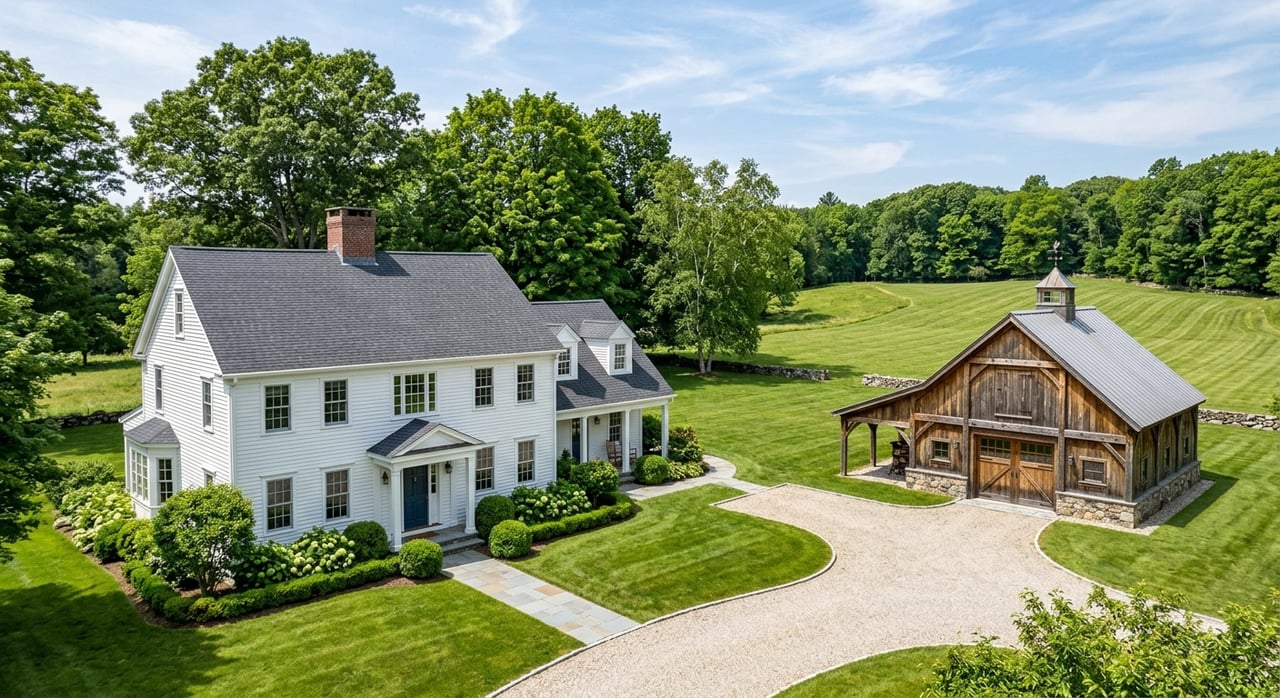
Elma’s higher‑end and acreage properties often include custom features like pools, barns or outbuildings, in‑law layouts, and extensive renovations. That makes valuation more complex and sometimes slower.
- Fewer comparable sales. Luxury or unique homes may not have many recent nearby comps. Appraisers often widen the search area and timeframe and make careful adjustments.
- Full interior appraisal. Jumbo lenders typically require a full interior and exterior appraisal. For very high values or unique properties, a second appraisal or review may be ordered.
- Condition matters. Deferred maintenance can reduce appraised value and affect your approved loan‑to‑value.
- Acreage and specialty features. If the property includes significant acreage or specialized improvements, the lender may want an appraiser with relevant local experience.
To learn how appraisers approach these assignments, see the Appraisal Institute’s overview of residential appraisals.
Reduce appraisal risk
- Share a simple list of recent nearby sales you and your agent considered when making the offer.
- Provide a summary of upgrades, with invoices and permits where available.
- Budget for a possible value shortfall and have a plan for additional cash or a price renegotiation.
- For properties with wells and septic systems, expect water tests and septic inspections that can influence timing and underwriting.
Timeline: plan a realistic 30–60 days
Jumbo loans can take longer to close than conforming loans due to extra documentation and valuation steps. Appraiser availability in Western New York can also impact timing. Build in time for a second appraisal if requested, additional asset verification, and any well or septic testing.
How to choose a jumbo lender
The right lending partner matters in a jumbo purchase. Vet lenders thoughtfully.
- Verify licensing in New York with NMLS Consumer Access.
- Ask about recent jumbo closings in Erie County and request references.
- Confirm product options that match your needs, such as higher LTV, second home financing, or alternative documentation.
- Ask about underwriting turn times and whether they use local appraisers familiar with Elma and the Buffalo suburbs.
- Compare total cost, not just rate. Review points, fees, and lock terms.
You can start your search with established providers that offer jumbo programs, like Wells Fargo Mortgage, Chase Mortgage, or regional options such as KeyBank mortgages. Program availability changes, so confirm details and current limits before you rely on any number.
Pre‑approval checklist for jumbo buyers
Use this working list to pre‑assemble your file and speed up underwriting.
- Identity and employment
- Driver’s license or passport
- Last 30 days of pay stubs and employer contact details
- For self‑employed: 2 years of business and personal returns, 1099s, K‑1s, and year‑to‑date P&L
- Income and tax documentation
- Last 2 years of signed federal tax returns, all schedules
- W‑2s and 1099s for 2 years
- Leases for any rental income
- Assets and funds
- 2–3 months of bank and investment statements
- Statements for retirement accounts if counting toward reserves
- Gift letter and donor statements if using gift funds
- Explanations for large deposits and documentation of source
- Credit and liabilities
- Authorization for credit pull
- Statements for student loans, auto loans, credit lines
- Letters of explanation for any late payments or collections
- Property and transaction
- Fully executed purchase contract
- HOA or condo documents if applicable
- Recent survey if available
- Inspection reports and seller disclosures when completed
- Additional items for higher‑value jumbos
- Proof of 6–12 months of reserves after closing
- Permission for your lender to order a full appraisal
- If using foreign assets, provide the documentation trail and conversion
Strengthen your offer with sound financing
- Seek conditional approval. Ask your lender about full credit and income pre‑underwriting so your file is largely cleared before you write the offer.
- Align your lock with the timeline. Jumbo loans can take longer, so choose a lock period that covers expected appraisal and underwriting steps.
- Plan for a low appraisal scenario. Discuss options with your agent and lender, including bringing additional cash, negotiating a price change, or requesting a second appraisal if allowed.
- Keep reserves intact. Large post‑contract purchases can reduce your qualifying assets. Avoid new debt and hold your reserve balances steady.
Ready to move in Elma
If you’re targeting a higher‑priced home in Elma, the right preparation makes your financing smooth and your offer stronger. From confirming the current Erie County limit to organizing reserves and choosing a lender that knows the Buffalo suburbs, a focused plan can save you time and stress. If you want local guidance from search to close, connect with Karen Baker to schedule a free consultation and align your financing and offer strategy.
FAQs
What is a jumbo loan for Erie County buyers
- A jumbo loan is any mortgage above the current FHFA conforming limit for Erie County; check the latest figure with the FHFA county lookup tool.
How much down payment do I need for a jumbo
- Many lenders look for 10–20 percent down on primary homes, with 20 percent common for best pricing; higher down payments may be required for second homes or investment properties.
What credit score is typical for jumbo approval
- For best pricing, lenders often want scores of 700 or higher; some accept mid‑600s with stronger reserves and lower loan‑to‑value.
How many months of reserves should I plan for
- Expect 6–12 months of total housing payments in reserves, with higher requirements possible for complex files or higher LTVs.
Do jumbo loans have PMI
- Traditional PMI is usually not available on jumbos; lenders instead use pricing, down payment minimums, and reserve requirements to manage risk.
What if the appraisal comes in low on a jumbo
- You can renegotiate price, bring additional cash to reduce the loan amount, request a second appraisal if permitted, or use contract contingencies to exit.
How long does a jumbo loan take to close
- Plan for 30–60 days due to extra documentation and potential appraisal complexity, especially for unique or acreage properties.
Can I refinance a jumbo loan later
- Yes. Rate‑term and cash‑out refinances are available, subject to lender guidelines and market conditions at the time you apply.