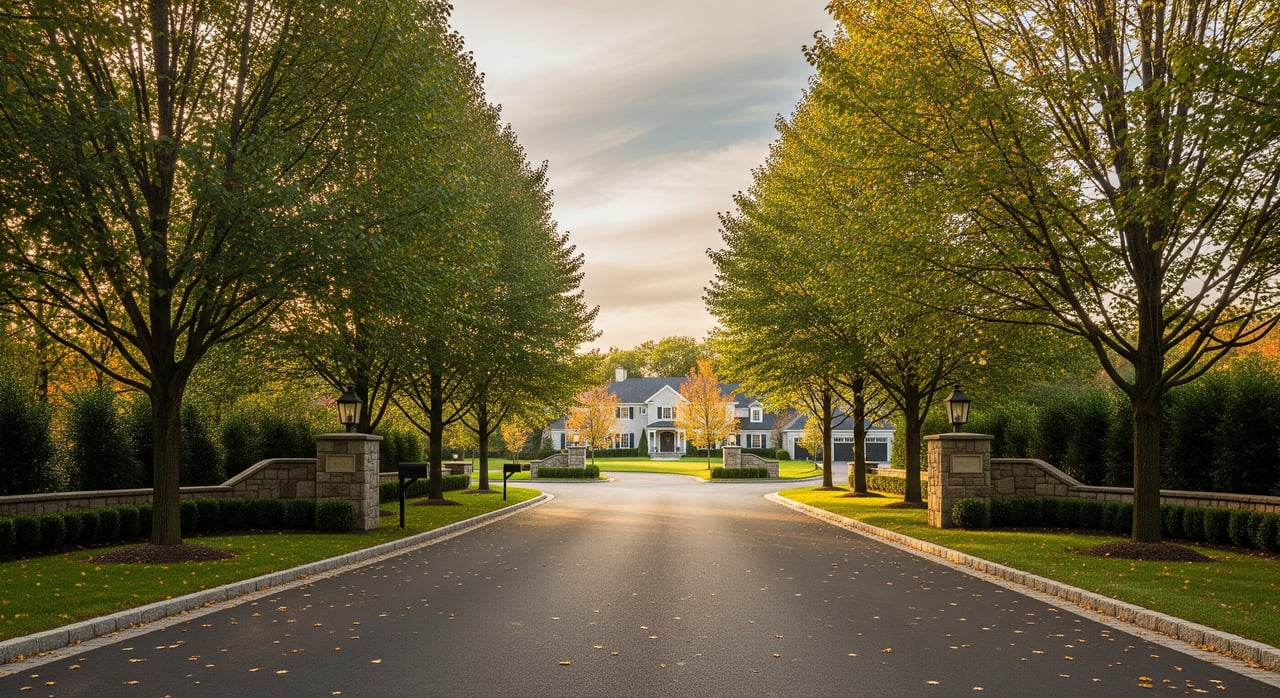
Are you eyeing a home in a Clarence subdivision and wondering how HOAs and private roads actually work? You are not alone. Many buyers want the neighborhood feel without surprises on snow removal, paving costs, or rules. In this guide, you will learn how HOAs and private road agreements are structured in Clarence, who maintains what, what typical fees cover, and exactly what to request before you buy. Let’s dive in.
HOA vs. private road in Clarence
In Clarence, you will find a mix of public roads and private subdivision roads. Public roads are maintained by the town, county, or state. Private roads remain the responsibility of the owners unless the town formally accepts them.
An HOA is a not-for-profit corporation in many New York subdivisions that enforces covenants, collects assessments, and manages common areas. A private road association may be part of an HOA or a separate agreement recorded against each lot. The controlling factor is the recorded document tied to the property.
Local practice is straightforward. Town and county maintain public roads only. If a road is marked private or is not shown as town-maintained in municipal records, you should assume owners fund snow removal and maintenance unless the recorded documents state otherwise.
How governance works
HOAs in New York are commonly set up as not-for-profit corporations. This gives them authority to levy assessments, hold contracts, and maintain common property as set out in the declaration, bylaws, and rules.
Private road associations can be structured three ways:
- A provision within the main HOA documents.
- A separate incorporated road association.
- An unincorporated recorded road agreement in the chain of title.
The recorded instrument controls responsibility and cost-sharing. Always review the exact covenant or agreement attached to the property rather than relying on assumptions or informal statements.
What maintenance covers
Private road upkeep
Private road responsibilities often include snow plowing, pothole repairs, resurfacing or paving, shoulder and drainage work, signage, and winter ice control if contracted. Standards like plow timing or salt use should be spelled out in the agreement or association rules.
Common areas and utilities
HOAs usually handle entrance landscaping, lighting, signage, stormwater basins, mail kiosk areas, and sometimes neighborhood trails or small play areas. Utility companies usually manage their own infrastructure. Driveways and sidewalks are typically the homeowner’s responsibility unless the covenants say otherwise.
Snow removal specifics
Snow removal on private roads is typically handled one of three ways:
- An HOA-managed seasonal contract with a plow company.
- Owners share costs based on an agreed formula per lot.
- Pay-per-plow arrangements, which are less common where predictable scheduling is needed.
Service levels depend on the contract. Plow timing, salting or sanding, mailbox and cul-de-sac clearing, and drift control can be included. Costs vary with road length and condition, number of winter events, contractor rates, and equipment needs.
Fees and assessments
Expect a mix of operating assessments, road maintenance or a dedicated road line item, reserve contributions, insurance, and occasionally special assessments for major projects.
Typical annual ranges in Clarence vary by scope:
- Basic HOA with limited common upkeep and no amenities: roughly a few hundred dollars per year per home, often about 150 to 600.
- Subdivisions with private roads and no amenities: often 300 to 1,200 per year per lot based on plowing and paving plans. Costs can be higher in years when paving occurs.
- Subdivisions with amenities like pools or tennis courts: 800 to 3,000 or more per year.
Special assessments are more likely in older developments with limited reserves. Repaving a private road or repairing stormwater systems can push costs into the thousands per home if reserves are thin. Ask how reserves are funded and whether a reserve study exists.
What to verify before you buy
Municipal records and maps
Start with basic confirmations:
- Town of Clarence Clerk or Highway Department to confirm if the road is public or private and whether it has been accepted by the town.
- Erie County Clerk to look up recorded covenants, CC&Rs, easements, and road agreements.
- Erie County GIS and tax maps to confirm parcel lines and road designations.
- Local Fire or EMS for any known access standards or winter concerns.
Title and covenant language
Read the recorded documents closely. Look for:
- Whether the road is described as private and who maintains it.
- The road maintenance agreement, plowing agreement, or easement that sets cost-sharing by lot, frontage, or equal shares.
- Mandatory assessment language, collection rights, and lien provisions.
- Any specified snow removal timing or vendor standards.
Questions for the HOA or road board
Request current documents and ask targeted questions:
- Operating budget, year-to-date financials, and the most recent reserve study if available.
- Meeting minutes from the last 12 to 24 months for plans on paving, special assessments, or contractor disputes.
- The snow plowing contract terms, service triggers, and pricing structure.
- The history of special assessments and current delinquency rates.
Red flags to note
Watch for signals that costs or risks may rise:
- No reserve study and minimal reserves, especially if pavement is 15 to 20 years old or more.
- Vague or missing recorded maintenance agreements.
- High assessment delinquencies that threaten service levels and reserves.
- Meeting minutes showing recurring plow failures, access disputes, or litigation.
- Road width or structural concerns that could affect emergency access.
Buyer checklist
Use this checklist during diligence to avoid surprises:
Documents to request:
- Recorded CC&Rs and all amendments.
- HOA bylaws and articles of incorporation, if applicable.
- Current annual budget and most recent audited or reviewed financials.
- Year-to-date income and expense report plus bank statements for association accounts.
- Most recent reserve study, if any, and current reserve balance.
- Schedule of assessments, assessment formula, and any pending special assessments.
- Board and membership meeting minutes for the last 12 to 24 months.
- Any road maintenance agreement, road easement, or plowing contract with service standards.
- Vendor contracts for snow, landscaping, trash, and paving.
- Insurance certificate or policy summary with liability limits and property coverage.
- Rules and regulations plus architectural guidelines.
- Delinquency report and collection procedures.
- Disclosure of any pending lawsuits involving the association.
- Recorded map or plat showing road ownership and common areas.
- Preliminary title report and any recorded easements.
- New York seller disclosure documents and any seller statements about the association.
Key questions to get answered:
- Is the road public or private, and who owns it? Get it in writing.
- How are road costs allocated among owners?
- What are the plow service triggers and response times?
- When was the last paving and what is the future schedule and estimate?
- How are assessments calculated and enforced? What lien rights exist?
- What is the history of special assessments and major capital work?
- Are there rules affecting vehicles, boats, or driveway improvements?
- Any recent insurance claims or notable repairs?
Subdivision living vs. independent parcels
Subdivision living can offer consistent curb appeal, coordinated snow removal, and shared upkeep for entrances and stormwater areas. You trade a bit of autonomy for predictability and shared standards.
Independent parcels without an HOA may have lower ongoing fees, but owners often handle their own snow, driveways, and landscaping. If the home is on a private lane, you may still share plowing and paving costs through a recorded road agreement. The key is to confirm whether mechanisms exist to collect funds fairly and maintain access to emergency services.
Planning your budget
Budget for routine assessments and reserves, plus occasional spikes for major work. For communities with private roads, ask about the repaving cycle and how reserves are built. In a snowy area like Clarence, snow removal is a significant variable. Costs depend on winter severity, contract terms, and road length.
If reserves are low, plan for the possibility of special assessments. Transparent financials, clear contracts, and a realistic capital plan reduce surprises.
Work with a trusted local guide
A clear picture of road status, recorded responsibilities, and financial health helps you buy with confidence. If you want a step-by-step review of documents, introductions to local resources, and guidance tailored to Clarence subdivisions, reach out to Karen Baker. Schedule a free consultation and move forward with clarity.
FAQs
What is an HOA in Clarence subdivisions?
- A not-for-profit association that enforces covenants, collects assessments, and maintains common areas, and sometimes private roads, as defined in recorded documents.
How do I tell if a Clarence road is public or private?
- Confirm with Town of Clarence records and the Erie County Clerk; if not town-accepted or marked private, owners typically handle snow removal and maintenance.
What do typical HOA fees cover in Clarence?
- Common area landscaping and lighting, signage, insurance, reserves, and if applicable, private road plowing and paving, with amounts varying by scope and amenities.
What documents should I request before buying into an HOA?
- Recorded CC&Rs, bylaws, budget and financials, reserve study, meeting minutes, road agreements, vendor contracts, insurance summary, rules, delinquency report, and litigation disclosures.
Who handles snow removal on private roads in Clarence?
- Usually an HOA or road association via a seasonal plowing contract or a cost-sharing arrangement among owners, with service standards set in the agreement or contract.