If you are torn between a newer build and a classic home in Williamsville, you are not alone. This is one of the most common trade-offs buyers face here, especially when you want the right mix of comfort, character, and long-term value. The good news is that Williamsville offers both, and each option comes with clear advantages once you know what to compare. Let’s dive in.
Why Williamsville Feels Different
Williamsville is a compact village of just 1.26 square miles, with a 2020 Census population of 5,423. The owner-occupied housing rate was 63.8% in 2020-2024, which helps explain its strong residential feel.
The village also has a long history. Williamsville was incorporated in 1850, and its Historic Preservation Code was adopted in 1983 to help protect local heritage. Today, the village lists 34 designated historic sites, which gives many streets a sense of continuity that buyers notice right away.
Erie County’s land-use summary shows a close mix of homes, commercial areas, community services, public services, recreation, vacant land, and conservation parcels. Schools, the library, Glen Park, and bus routes all appear within the village footprint, which helps explain why Williamsville often feels more village-centered and established than a typical subdivision-only suburb.
Newer Builds in Williamsville
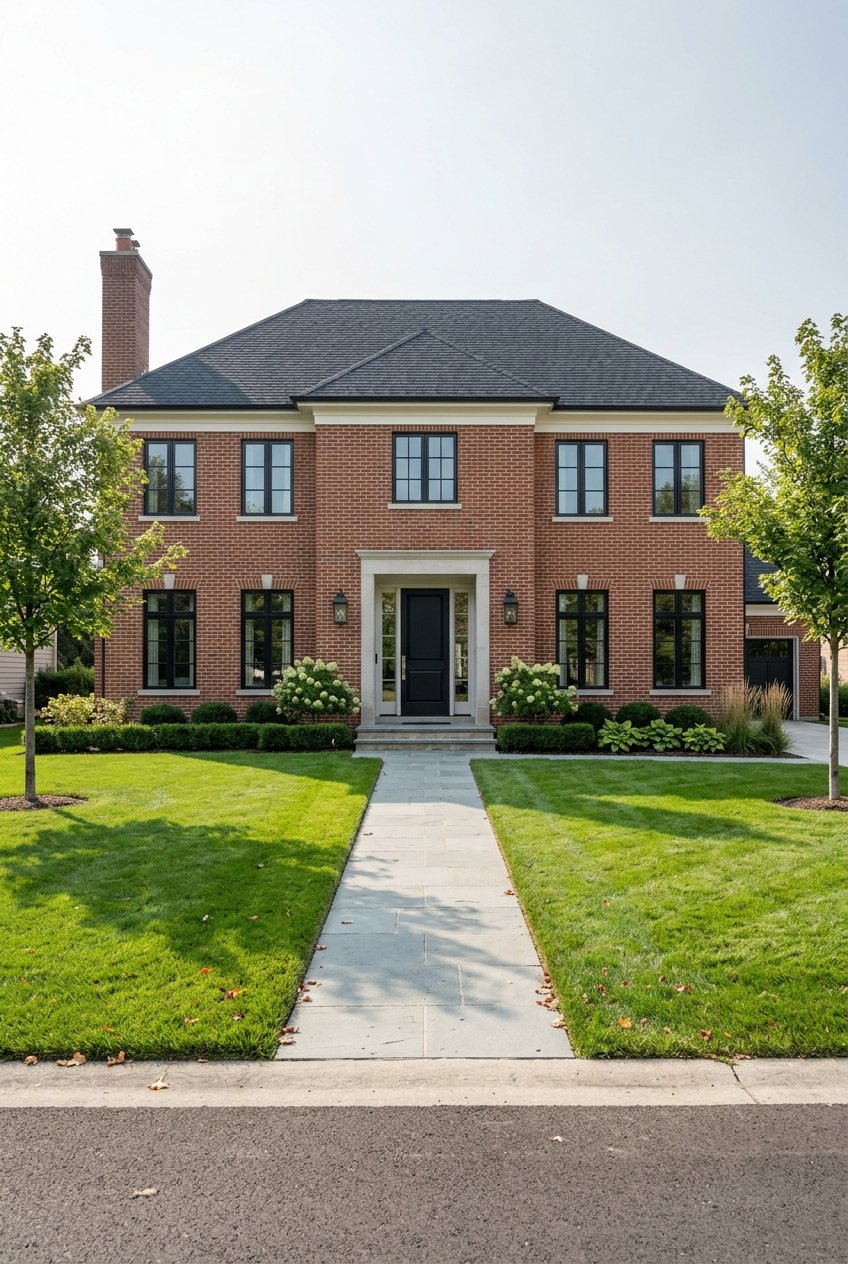
When buyers talk about newer builds in the Williamsville area, they often mean homes in planned residential areas with a more subdivision-style layout. Erie County’s mapping identifies areas such as Lehn Springs, Turnberry, Brookside, Hidden Ridge, and Village Pointe as examples of that neighborhood pattern.
On the planning side, the Town of Amherst’s subdivision regulations are designed to support orderly development, quality infrastructure, and stable residential areas. That creates the policy backdrop for many newer residential communities in and around Williamsville.
For you as a buyer, the appeal of a newer home often comes down to day-to-day function. Many buyers look for more contemporary layouts, attached-garage convenience, and less immediate repair exposure, although those features should always be confirmed property by property.
What buyers often like about newer homes
- More contemporary room flow
- Planned neighborhood layout
- Attached garages in many cases
- Potentially fewer immediate repair needs
- A more predictable subdivision setting
That said, age alone does not guarantee layout, condition, or maintenance level. Before you make assumptions, it is smart to verify the home in person and review parcel-specific details.
Classic Homes in Williamsville
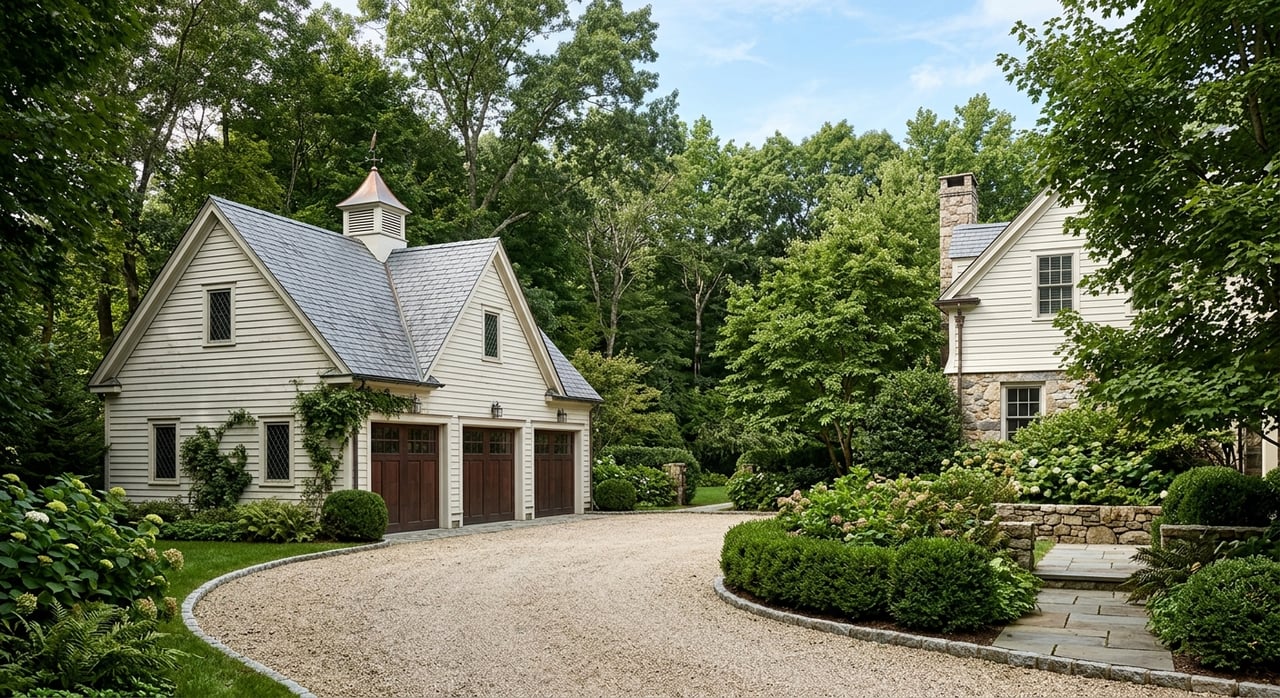
Classic homes are a big part of what gives Williamsville its identity. The village’s historic inventory includes residences and buildings in Greek Revival, Italianate, and Colonial Revival styles.
The Historic Preservation Commission highlights examples such as brick Greek Revival residential buildings from the 1840s and 1850s, a former residential building built in 1840, an 1877 Italianate house, and a 1918 Colonial Revival home. These are not just old houses. They reflect the village’s long-standing preservation culture.
The landmark list also includes places like the Williamsville Water Mills, which began operating in 1811, and Cambria Castle, built between 1917 and 1945. That broader preservation story shapes how many buyers experience classic homes here.
What buyers often like about classic homes
- Architectural detail and visual character
- A stronger connection to village history
- Mature settings in more established areas
- A distinct sense of place
- Appeal for buyers who value originality and continuity
If you love homes with personality, classic properties can be especially compelling. In Williamsville, that appeal is tied not just to age, but to a village identity that has been intentionally preserved over time.
Historic Designation Matters
One of the biggest practical differences with classic homes in Williamsville is whether the property has a historic designation. If work is planned on a historic landmark or historic landmark site, Historic Preservation Committee approval is required.
The village also publishes Historic Landmark Design Standards to guide historically sensitive improvements. For you, that means a designated property may involve more review steps before certain exterior changes move forward.
This is not automatically a downside. For many buyers, the added review is part of what helps preserve the character that made the home attractive in the first place. Still, it is something to understand early, especially if you already know you want to make visible updates.
Layout, Lifestyle, and Daily Living
The choice between newer and classic often comes down to how you want your home to function every day. A newer-build buyer may prioritize a more predictable floor plan and a subdivision pattern that feels straightforward and familiar.
A classic-home buyer may be looking for charm, established surroundings, and a more traditional village feel. Neither choice is better across the board. The right fit depends on what matters most to you.
For move-up buyers and relocating professionals, this decision often becomes very practical. Do you want the predictability of a newer neighborhood pattern, or do you want the character and village atmosphere of an older Williamsville address?
Taxes Are About Location and Assessment
A common misconception is that newer homes automatically cost less to carry. In New York, property taxes are local ad valorem taxes based on assessed value, and the total bill can include county, town, village, school district, and special district levies.
In other words, age alone does not set the tax bill. Assessment and jurisdiction matter more.
Erie County’s 2025-2026 tax comparison sheet offers a useful illustration. For a hypothetical $150,000 home in Amherst with Williamsville Central School District, the total tax is listed at $2,362.67. For that same hypothetical home in the Village of Williamsville with Williamsville Central School District, the total tax is $3,017.50.
That comparison shows how an added village levy can affect monthly carrying costs, even when the school district stays the same. So if you are comparing a newer home outside the village to a classic home inside the village, the tax conversation needs to be part of the analysis.
What to check on taxes
- Whether the property is inside the Village of Williamsville
- The assessed value of the home
- Which taxing jurisdictions apply
- Whether STAR credit eligibility may help with school taxes
- The actual parcel-specific tax bill, not assumptions based on age
New homeowners and first-time applicants use the STAR credit, since the STAR exemption is closed to new applicants. Also, STAR applies only to school district taxes, not county or town or village taxes.
The School District Is Part of the Decision
For many buyers, the Williamsville Central School District is part of the conversation no matter which housing style they prefer. The district spans 40 square miles across portions of Amherst, Clarence, and Cheektowaga, and it describes itself as the largest suburban district in Western New York.
That means your home search may involve comparing different settings while staying focused on the same broader school district area. If you are deciding between newer and classic, it helps to evaluate the full package rather than the house alone.
A Smart Way to Compare Homes
The cleanest way to evaluate your options is to compare three things side by side: a newer-build subdivision home, a classic village home, and the full tax picture for each. This gives you a more realistic view than focusing only on photos or year built.
Erie County’s parcel viewer and On-Map tools can also help you check lot shape, setting, nearby land use, and aerial views before you make an offer. That can be especially useful when you want to understand how a home sits within the surrounding area.
Questions to ask before you choose
- Is the property in a newer planned area or an older village setting?
- Is the home designated as a historic landmark or on a historic landmark site?
- What approvals might be needed for future improvements?
- How are the taxes layered across county, town, village, and school district?
- Does the lot and surrounding land use match your lifestyle?
- Are you more comfortable with possible maintenance projects or with a more predictable newer-home setup?
Which Option Fits You Best?
If you value function, convenience, and a more predictable neighborhood pattern, a newer build may feel like the right match. If you care more about architectural character, village history, and an established setting, a classic home may be worth the added review and maintenance considerations.
In Williamsville, this choice is especially meaningful because the village offers a true contrast between preserved older homes and more subdivision-style residential patterns nearby. That gives you options, but it also means the best decision is rarely about age alone.
The best move is to look closely at the property, the parcel details, the tax structure, and your day-to-day goals. If you want help comparing homes in Williamsville with a clear local strategy, Karen Baker can help you sort through the details and find the right fit for your next move.
FAQs
What is the main difference between newer builds and classic homes in Williamsville?
- Newer builds are often associated with planned residential patterns and more contemporary layouts, while classic homes are often valued for architectural character, village history, and established settings.
Do classic homes in Williamsville always have historic restrictions?
- No. Restrictions depend on whether the property is a designated historic landmark or historic landmark site, and designated properties may require Historic Preservation Committee approval for certain work.
Are property taxes lower on newer homes in Williamsville?
- Not necessarily. In New York, property taxes are based on assessed value and local taxing jurisdictions, so age alone does not determine the bill.
Does the Village of Williamsville affect carrying costs?
- It can. Erie County’s comparison sheet shows that an added village levy can increase total taxes even when the school district is the same.
How can you research a Williamsville property before making an offer?
- Erie County’s parcel viewer and On-Map tools can help you check parcel details, lot shape, aerial views, and surrounding land use before you move forward.
Why does the Williamsville Central School District matter in this decision?
- The district spans multiple municipalities, so many buyers compare different home styles and locations while still considering the same broader school district area.