Trying to choose between a home on a village street and a property with country acreage in East Aurora? That decision shapes more than your address. It affects how much space you have, how you spend your weekends, and what daily life feels like. If you are weighing convenience against privacy, this guide will help you compare both options with more clarity. Let’s dive in.
Village vs. Town Basics
In East Aurora, the village and the surrounding Town of Aurora are separate jurisdictions. That matters because the rules, lot sizes, and overall feel can be very different depending on where a property sits.
The Village of East Aurora had 5,998 residents in the 2020 Census, while the Town of Aurora had 13,943. For most buyers, the real comparison is simple: homes inside the incorporated village versus properties outside the village in the surrounding town.
The planning framework reinforces that split. Village code focuses on preserving traditional neighborhoods and a pedestrian-friendly streetscape, while town code includes rural residential and agricultural districts designed around larger lots and land-oriented uses.
What Village Living Feels Like
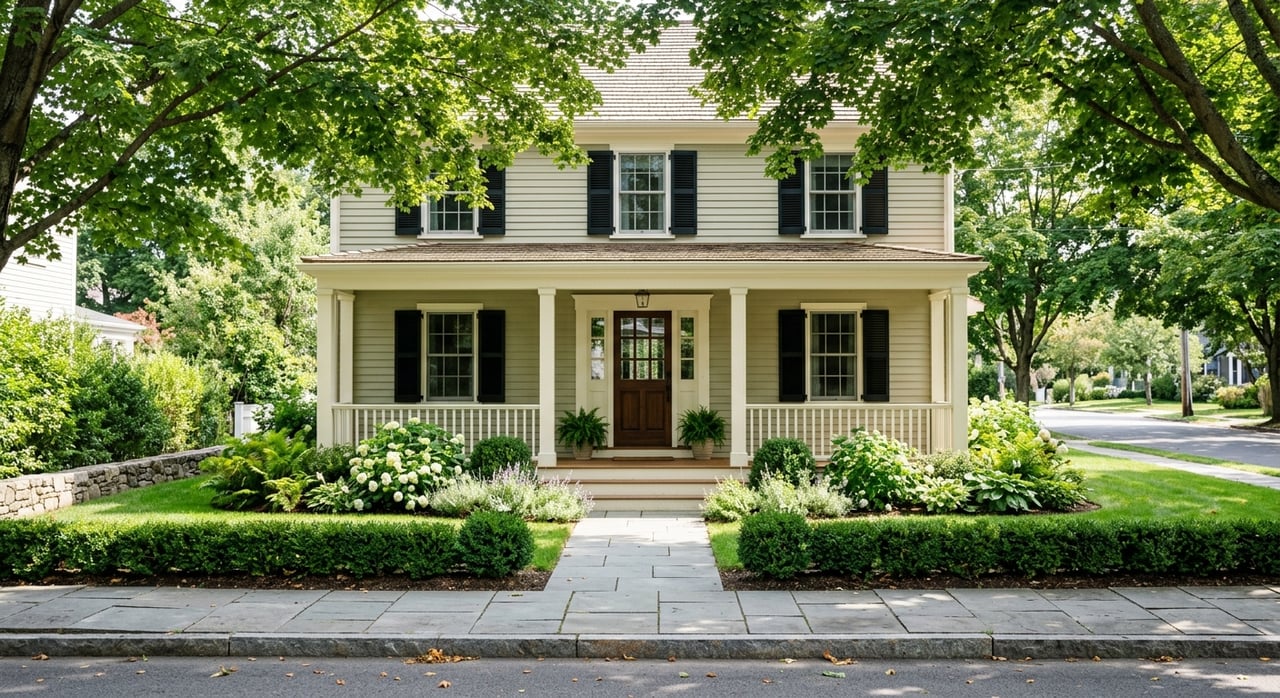
If you picture East Aurora as a classic small-town setting with sidewalks, local destinations, and a connected street grid, you are likely picturing village living. The village code specifically supports pedestrian-scaled streetscapes with features like sidewalks, street lighting, and street trees.
That focus on walkability also shows up in local infrastructure priorities. The village has a Pedestrian Bicycle Board dedicated to pedestrian and bicycle safety on roadways and related infrastructure.
Smaller Lots, Closer Neighbors
Village lots are generally more compact than properties outside the village. In the main residential districts, single-family homes typically require 9,000 to 10,500 square feet of lot area and 70 feet of lot width.
Setbacks are also tighter than what you see in the surrounding town. Front yards are generally 20 feet, and side yards can be as narrow as 8 feet in some districts. In practical terms, that often means homes sit closer together and the neighborhood feels more connected block to block.
Walkable Access to Daily Destinations
A big part of village appeal is convenience. East Aurora’s official history describes Main Street as a walkable corridor with specialty shops, restaurants, churches, municipal buildings, and preserved homes.
The village also has well-known local destinations and community landmarks, including the Roycroft Campus, Aurora Theater, Hamlin Park, the Classic Rink, Vidler’s, the library, and other visitor destinations noted by the village. If you like the idea of being near community activity and local amenities, that can be a major advantage.
Historic Character Comes With Some Rules
The village has a strong historic identity, and for some homes, that can affect how exterior changes are handled. The Historic Preservation Commission may review exterior alterations for landmark properties and homes in historic districts.
That does not mean every repair needs approval. Ordinary maintenance and repairs that do not change the design, material, color, or outward appearance do not require review. Still, if you are buying a historic property, it is smart to understand that exterior decisions may involve more process.
Village Ownership Has Ongoing Responsibilities
Village convenience also comes with some curbside responsibilities. According to the village public works department, property owners must maintain the sidewalk adjoining their property and keep it clear of snow and ice.
Parking rules can also be part of everyday life. The village notes winter overnight parking restrictions, along with some time-limited parking on Main Street. For some buyers, those tradeoffs are minor. For others, they are worth considering up front.
What Country Acreage Feels Like
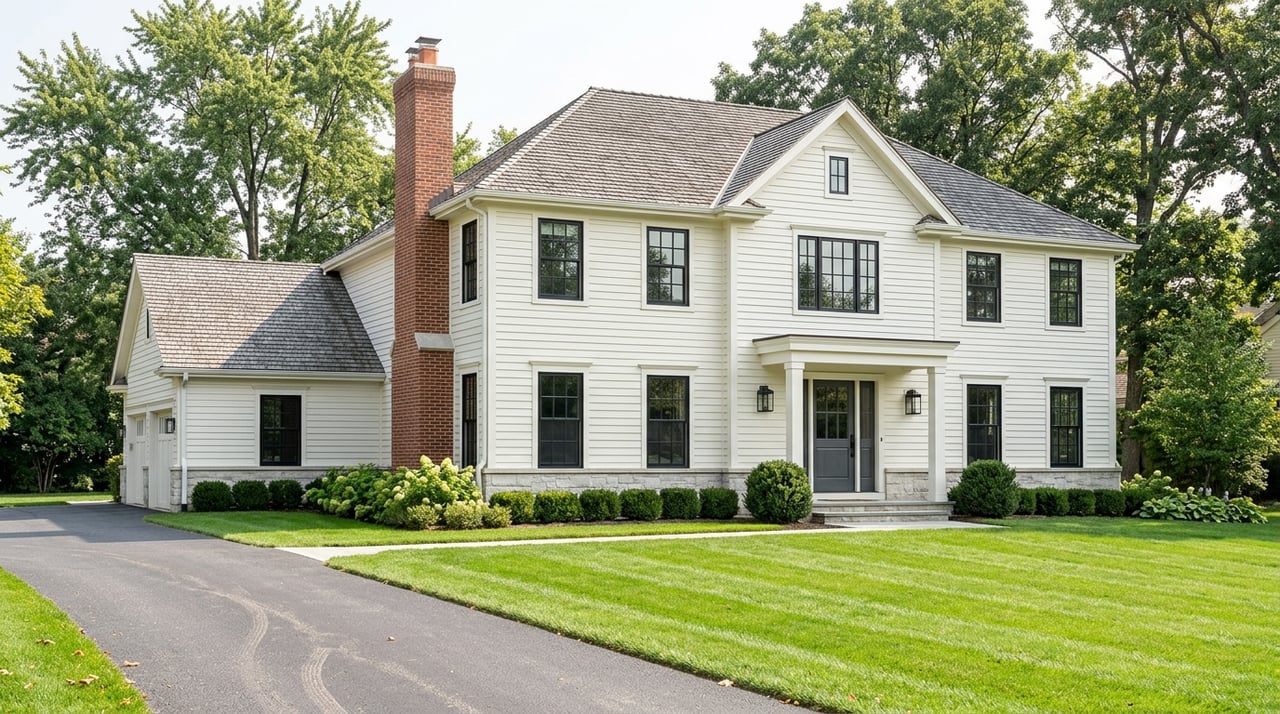
If your ideal home includes more distance from neighbors, a longer driveway, or room for outdoor features, the surrounding Town of Aurora may feel like a better fit. Outside the village, lot standards and permitted uses create a very different spatial experience.
In the Town of Aurora’s Rural Residential district, a principal dwelling requires a minimum lot size of three-quarters of an acre and 100 feet of frontage. Setbacks are much deeper too, with a 75-foot front setback, 40-foot side yards, and a 100-foot rear yard.
More Space to Shape the Property
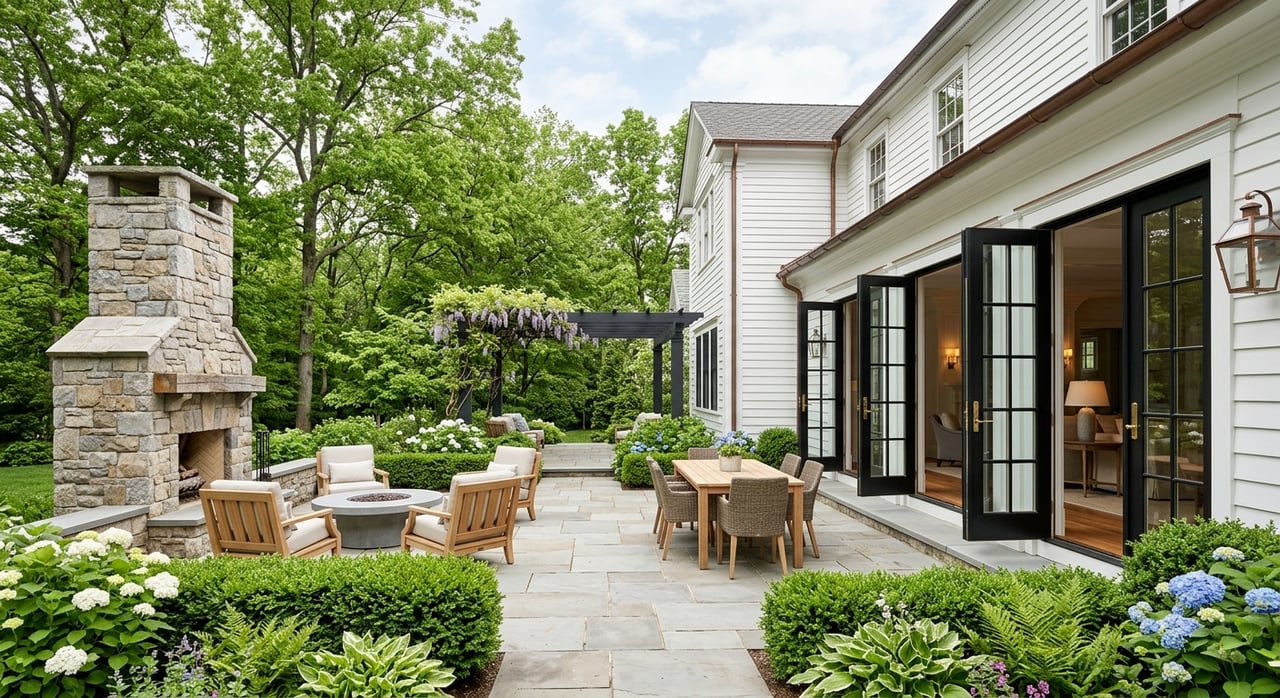
Those standards create more elbow room than a typical village block. You may have more flexibility for features like larger garages, gardens, pools, barns, or open yard space, depending on the parcel and zoning.
The overall feel is often quieter and more spread out. If privacy and breathing room rank high on your wish list, that can be one of the biggest advantages of country acreage.
Rural Uses Are Built Into the Code
The town’s Agricultural district is specifically designed for rural land uses. The code allows agricultural and horticultural pursuits such as farms, horse farms, greenhouses, nurseries, produce farms, bees, poultry, and livestock.
It also allows certain other uses, including seasonal cottages and some special uses such as public stables, dog kennels, animal rescue, quarries, and veterinary clinics. That does not mean every parcel can do every one of these things without review, but it does show how strongly the code supports land-oriented use outside the village.
More Land Usually Means More Upkeep
Space is appealing, but it usually comes with more maintenance. Larger yards often mean more mowing, more driveway upkeep, and more time spent managing the exterior of the property.
Daily errands may also feel less convenient than they do in the village. The town’s larger lot standards, wider setbacks, and rural-use permissions point toward a less walkable routine and a more drive-oriented lifestyle.
Why East Aurora Has Both Options
One reason East Aurora appeals to so many buyers is that it offers two distinct ways to live close to the same community. The village provides a compact center built around traditional streets and local destinations.
The surrounding town preserves more open land and rural residential patterns. Town code also states that commercial districts are intended to preserve community character, with commercial concentration around the Village of East Aurora to avoid sprawl. In other words, the planning structure itself supports a compact center surrounded by more open space.
Which Lifestyle Fits You Best
Neither option is better for everyone. The right choice depends on how you want your home to function every day.
Village Streets May Fit You If
- You want a more walkable daily routine
- You enjoy being near shops, restaurants, parks, and community destinations
- You appreciate historic character and traditional neighborhood streetscapes
- You are comfortable with a smaller lot and closer proximity to neighbors
- You do not mind sidewalk maintenance, snow clearing, and tighter parking rules
Village living is often about convenience and character. If you want to feel connected to Main Street and nearby destinations, the village can offer that in a way country properties usually do not.
Country Acreage May Fit You If
- You want more privacy and separation from neighboring homes
- You prefer larger yards and more flexibility for outdoor features
- You value land as much as the house itself
- You are comfortable with more exterior upkeep
- You do not mind driving more for errands and daily activities
Acreage living is often about space and control over the land. If your ideal property includes room to spread out, the surrounding town may line up better with your goals.
Questions to Ask Before You Decide
Before you narrow your search, it helps to think beyond square footage and price. Consider how each setting supports your routine.
Ask yourself:
- How important is walkability in your daily life?
- Do you want outdoor space for recreation, gardening, or other land-based uses?
- How much time do you want to spend on exterior maintenance?
- Would parking rules or sidewalk snow removal bother you?
- Do you prefer the energy of a village setting or the quiet of a rural parcel?
- If a home has historic status or sits in a historic district, are you comfortable with exterior review requirements?
These questions can save you time and help you focus on the properties that truly fit your lifestyle.
A Smart Way to Narrow Your Search
If you are moving within Western New York or relocating to East Aurora, this choice often becomes easier once you see both settings in person. A village home and a country property may be only a short drive apart, but they can feel very different once you step outside the front door.
That is why local guidance matters. When you understand the village rules, town zoning patterns, lot standards, and day-to-day tradeoffs, you can make a more confident decision and avoid buying a lifestyle that does not match your needs.
If you are comparing East Aurora village streets with country acreage, Karen Baker can help you evaluate both options and find the right fit for your goals.
FAQs
What is the difference between the Village of East Aurora and the Town of Aurora?
- The Village of East Aurora and the Town of Aurora are separate jurisdictions. For buyers, the main difference is usually living inside the incorporated village versus owning property in the surrounding town outside the village.
What are typical lot sizes for Village of East Aurora homes?
- In the main village residential districts, single-family homes generally require 9,000 to 10,500 square feet of lot area, with 70 feet of lot width.
What are typical lot requirements for Town of Aurora acreage homes?
- In the town’s Rural Residential district, a principal dwelling requires at least three-quarters of an acre, 100 feet of frontage, a 75-foot front setback, 40-foot side yards, and a 100-foot rear yard.
What should buyers know about historic homes in East Aurora village?
- For landmark properties and homes in historic districts, exterior alterations may be reviewed by the Historic Preservation Commission. Ordinary maintenance and repairs that do not change design, material, color, or outward appearance do not require approval.
What maintenance responsibilities come with living in East Aurora village?
- Village property owners must maintain the sidewalk adjoining their property and keep it clear of snow and ice. Buyers should also be aware of winter overnight parking restrictions and some time-limited Main Street parking.
Is country acreage in East Aurora better for privacy?
- Properties outside the village often offer more privacy because town zoning requires larger lots and deeper setbacks, creating more distance between homes.
Which East Aurora lifestyle is better for walkability?
- Village living is generally better for walkability because the village code supports pedestrian-scaled streetscapes with sidewalks, street lighting, and street trees, and the area includes a walkable Main Street corridor.